<?xml version="1.0" encoding="utf-8"?>
<feed xmlns="http://www.w3.org/2005/Atom" xmlns:media="http://search.yahoo.com/mrss/">
    <title>Ham Radio School</title>
    <link href="https://www.hamradioschool.com/articles/feed.xml" rel="self" />
    <link href="https://www.hamradioschool.com/articles" />
    <updated>2026-05-11T09:23:52-06:00</updated>
    <author>
        <name>Stu Turner, WØSTU</name>
    </author>
    <id>https://www.hamradioschool.com/articles</id>

    <entry>
        <title>Ham Radio School Visualization Apps</title>
        <author>
            <name>Stu Turner, WØSTU</name>
        </author>
        <link href="https://www.hamradioschool.com/articles/ham-radio-school-visualization-apps.html"/>
        <id>https://www.hamradioschool.com/articles/ham-radio-school-visualization-apps.html</id>
        <media:content url="https://www.hamradioschool.com/articles/media/posts/107/QRM-Sim-2.png" medium="image" />
            <category term="What&#x27;s New?"/>

        <updated>2026-05-06T10:37:39-06:00</updated>
            <summary type="html">
                <![CDATA[
                        <img src="https://www.hamradioschool.com/articles/media/posts/107/QRM-Sim-2.png" alt="" />
                    A big part of the Ham Radio School method of helping students prepare for license exams with real comprehension of&hellip;
                ]]>
            </summary>
        <content type="html">
            <![CDATA[
                    <p><img src="https://www.hamradioschool.com/articles/media/posts/107/QRM-Sim-2.png" class="type:primaryImage" alt="" /></p>
                <div data-breakout="normal">
<p id="viewer-cbsep318" class="dUraF _0Jf6a Nv1gb YXSPe" dir="auto"><span class="R-1EE">A big part of the Ham Radio School method of helping students prepare for license exams with real comprehension of radio topics is <em>visualization.</em> Particularly when it comes to some of the more technical processes involved in radio science and engineering, we have found that student understanding of these topics extends directly from our extensive use of graphics, video, animations, and other tools that help them visualize these processes. As such, we provide ample visual models in our books, in our online course video lessons, and in our optional depth learning media at <a target="_blank" href="http://hamradioschool.com/" rel="noopener noreferrer" class="CMc5N jZ8Yo" data-hook="web-link">HamRadioSchool.com</a>.</span></p>
</div>
<div data-breakout="normal">
<div id="viewer-3xd9t224" class="KzHAJ">
<div class="plqnX -HrEA">
<figure class="nP0oH" data-hook="figure-IMAGE">
<div class="-VLS7 rArW0" data-hook="gap-spacer"><span style="font-size: inherit;">However, we recognize that while passive observation and consideration of these visual models can help instill solid comprehension, there are even more effective tools that blend visualization with student interaction. Web-hosted visualization apps that allow the student to experiment with the visualization model, changing input parameters and observing the results, is more engaging and more effective than passive observation for most learners.</span></div>
</figure>
</div>
</div>
</div>
<div data-hook="rcv-block5"><span style="font-size: inherit;">With this philosophy in mind, we have recently developed several web-based visualization applications to allow students to experience learning interaction with some of the more challenging radio processes. These apps are generally geared towards the Technician License student, but more advanced students can also benefit from </span><em style="font-size: inherit;">fiddling around</em><span style="font-size: inherit;"> a bit with them. We invite you to give them a try, and to provide us with feedback on them, if you like, in the spirit of continuing improvement.</span></div>
<div data-hook="rcv-block5"> </div>
<div data-hook="rcv-block5">Our visualization apps currently include the following:</div>
<ul>
<li data-hook="rcv-block5">AM Simulator - construct a baseband signal, watch it modulate an RF carrier.</li>
<li data-hook="rcv-block5">FM Simulator - construct a baseband signa, watch it frequency modulate a carrier.</li>
<li data-hook="rcv-block5">CW Simulator - enter text and see/hear it coded; adjust WPM speed &amp; audio tone.</li>
<li data-hook="rcv-block5">FSK Simulator - enter text and see/hear it coded as 2-, 4-, or 16-FSK signals.</li>
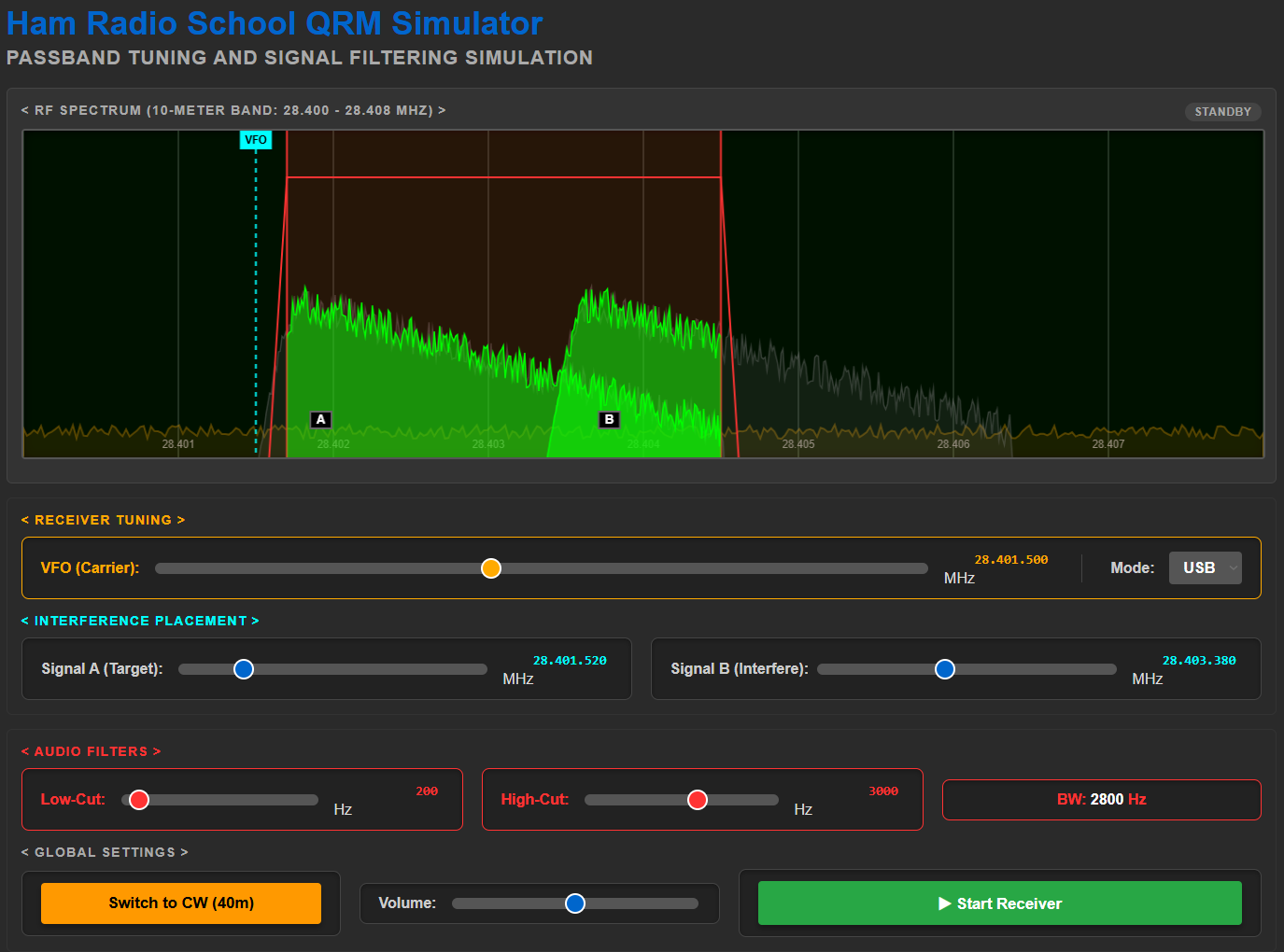
<li data-hook="rcv-block5">QRM Simulator - see a spectrum scope and hear audio effects of inerfering SSB and CW signals; adjust signal positions and receive filter settings to hear results.</li>
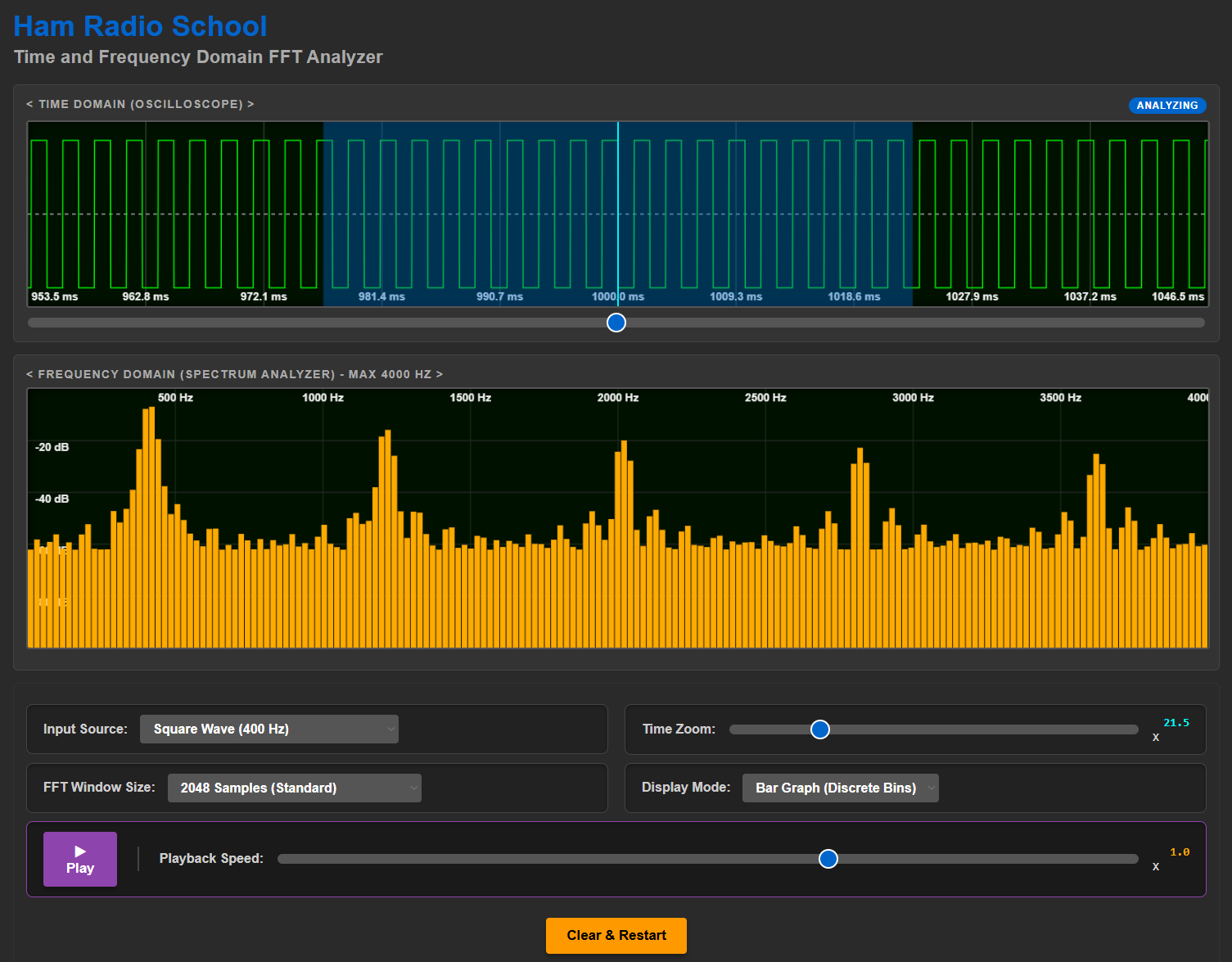
<li data-hook="rcv-block5">Time &amp; Frequency Domain FFT Analyzer - record your own audio and see its displayed in time and frequency domains; stock input signals available also.</li>
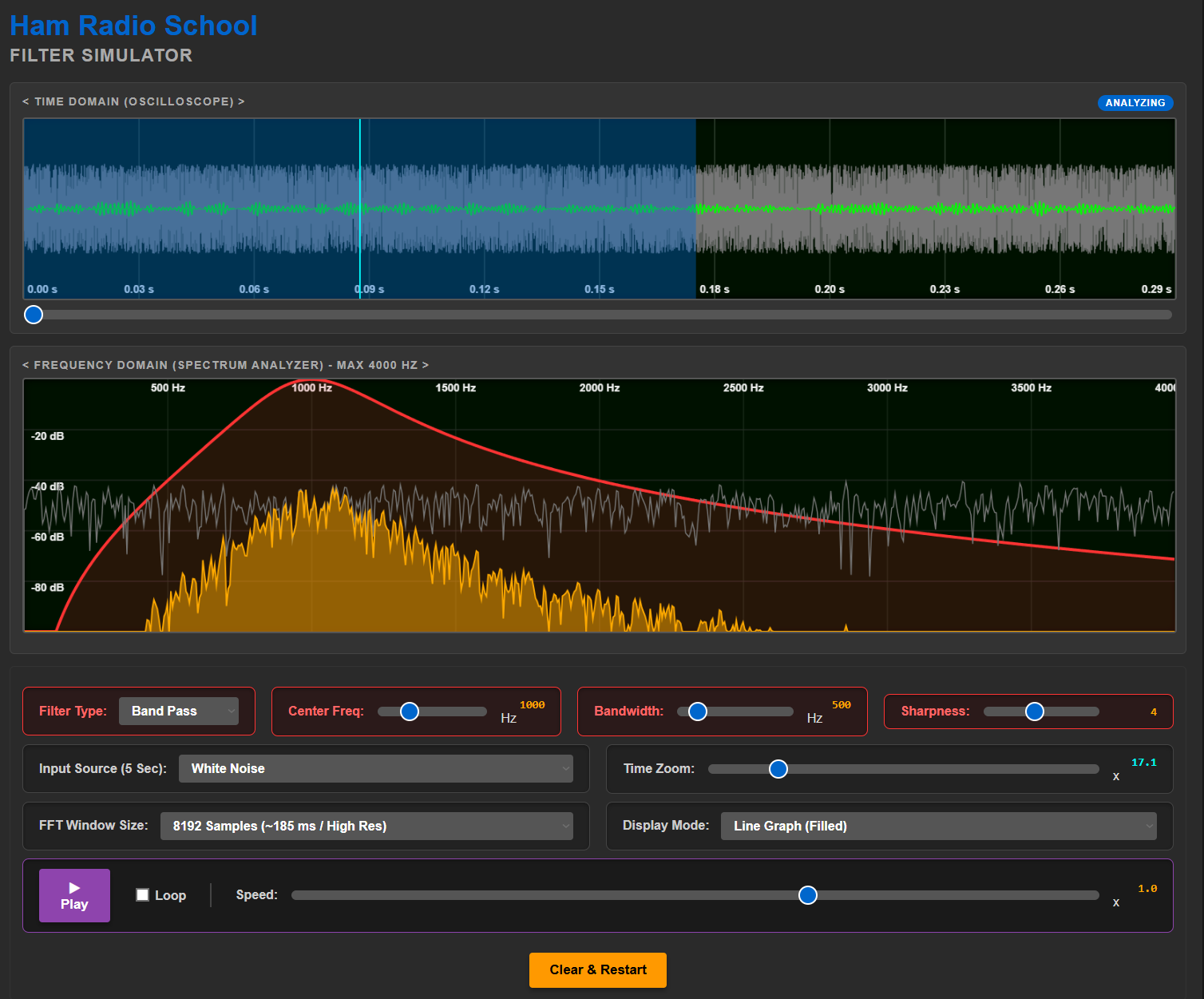
<li data-hook="rcv-block5">Filter Simulator - record your own audio or use stock audio signals to explore various filter effects; see and hear high pass, low pass, band pass options.</li>
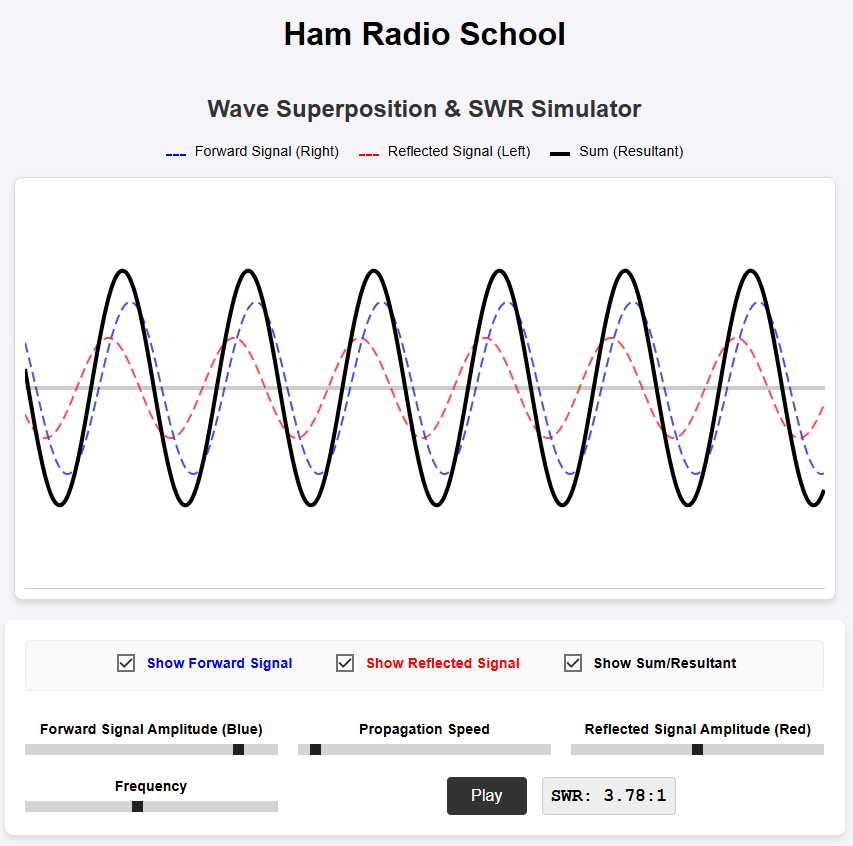
<li data-hook="rcv-block5">SWR Wave Simulator - illustrates forward and reflected transmission line signals, the resultant standing waves, and computes SWR.</li>
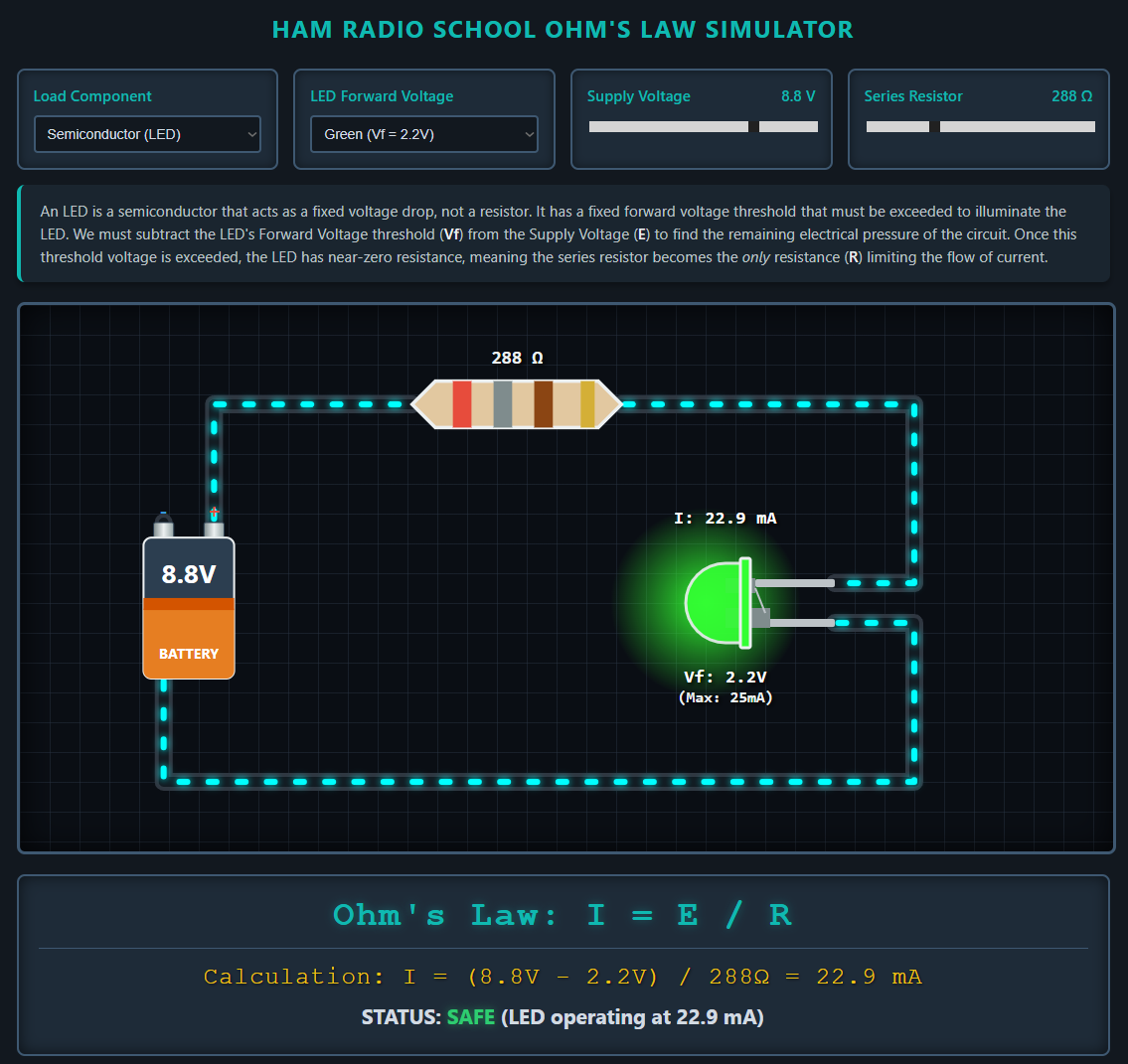
<li data-hook="rcv-block5">Ohm's Law Simulator - illustrates a simple DC circuit with lamp or LED and resistor; adjust supply voltage and resistance to see current effects and Ohm's Law calculations.</li>
</ul>
<p>Find all of our visualization apps here:  <a target="_blank" href="https://hamradioschoolquiz.com/hrsapps/am-simulator.html" rel="noopener noreferrer" class="CMc5N jZ8Yo" data-hook="web-link" style="font-size: inherit;"><u>https://hamradioschool.com/vis-apps.html</u></a><u><a href="https://hamradioschool.com/vis-apps.html"></a></u></p>
<div data-breakout="normal">
<div id="viewer-uu363419" class="dUraF _0Jf6a Nv1gb YXSPe" dir="auto"></div>
</div>
<div data-breakout="normal">
<div id="viewer-ymvjd392" class="dUraF _0Jf6a Nv1gb YXSPe" dir="auto"><span style="font-size: inherit;">We recommend a full-size monitor for the best experience with these apps. While they are mobile device responsive, the displays and controls fit much better for ease of interaction on the larger display real estate. </span></div>
</div>
<div data-hook="rcv-block8"> </div>
<div data-breakout="normal">
<div id="viewer-uu363419" class="dUraF _0Jf6a Nv1gb YXSPe" dir="auto"><strong style="font-size: inherit;">AM Simulator: </strong></div>
</div>
<div data-breakout="normal">
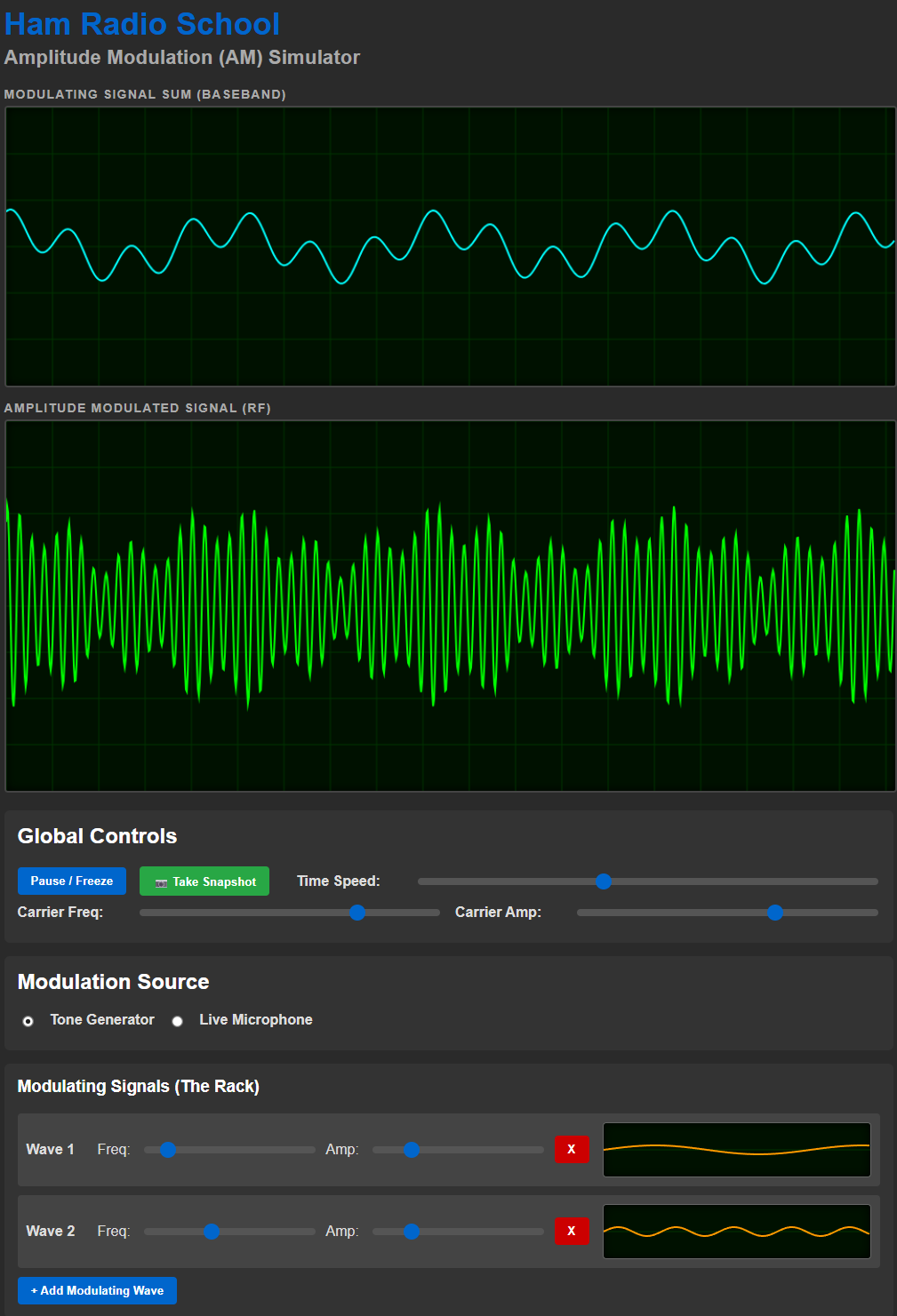
<p id="viewer-kulhw331" class="dUraF _0Jf6a Nv1gb YXSPe" dir="auto"><span class="R-1EE">Provide input to the app by selecting and constructing a baseband modulating signal. Sum together modulating signal sine waveforms of different frequency and amplitude to see the resulting modulating signal and its impact on the modulated RF signal. Adjust the carrier frequency, the carrier amplitude, and the speed of the dynamic display, as desired. Alternatively, select the microphone option to input your own voice or sound and observe in real time the complexity of the signals. Freeze the displays for careful examination of the signals, or take a snapshot of the displays in .png format for downloading.</span></p>
</div>
<div data-breakout="normal">
<div id="viewer-8uafx840" class="KzHAJ">
<div class="plqnX -HrEA">
<figure class="nP0oH post__image post__image--center" data-hook="figure-IMAGE">
<div class="-VLS7 rArW0" data-hook="gap-spacer"><figure class="post__image post__image--center"><img loading="lazy"  src="https://www.hamradioschool.com/articles/media/posts/107/AM-Sim-2.png" alt="" width="500" height="734" sizes="(min-width: 760px) 660px, calc(93.18vw - 30px)" srcset="https://www.hamradioschool.com/articles/media/posts/107/responsive/AM-Sim-2-xs.png 320w ,https://www.hamradioschool.com/articles/media/posts/107/responsive/AM-Sim-2-sm.png 480w ,https://www.hamradioschool.com/articles/media/posts/107/responsive/AM-Sim-2-md.png 768w ,https://www.hamradioschool.com/articles/media/posts/107/responsive/AM-Sim-2-xl.png 1024w"></figure></div>
<div class="KzHAJ">
<div class="KzHAJ">
<div class="qxEUA"><span style="color: #686c78; font-size: 0.702332em;">The AM Simulator lets you construct complex modulating signals from individual sine wave components and view the modulated carrier signal that results.</span></div>
</div>
</div>
<div id="viewer-lm6g5851" class="KzHAJ">
<div class="qxEUA"> </div>
</div>
</figure>
</div>
</div>
</div>
<div data-breakout="normal">
<p id="viewer-fy072333" class="dUraF _0Jf6a Nv1gb YXSPe" dir="auto"><span class="R-1EE"><strong>FM Simulator: </strong></span></p>
</div>
<div data-breakout="normal">
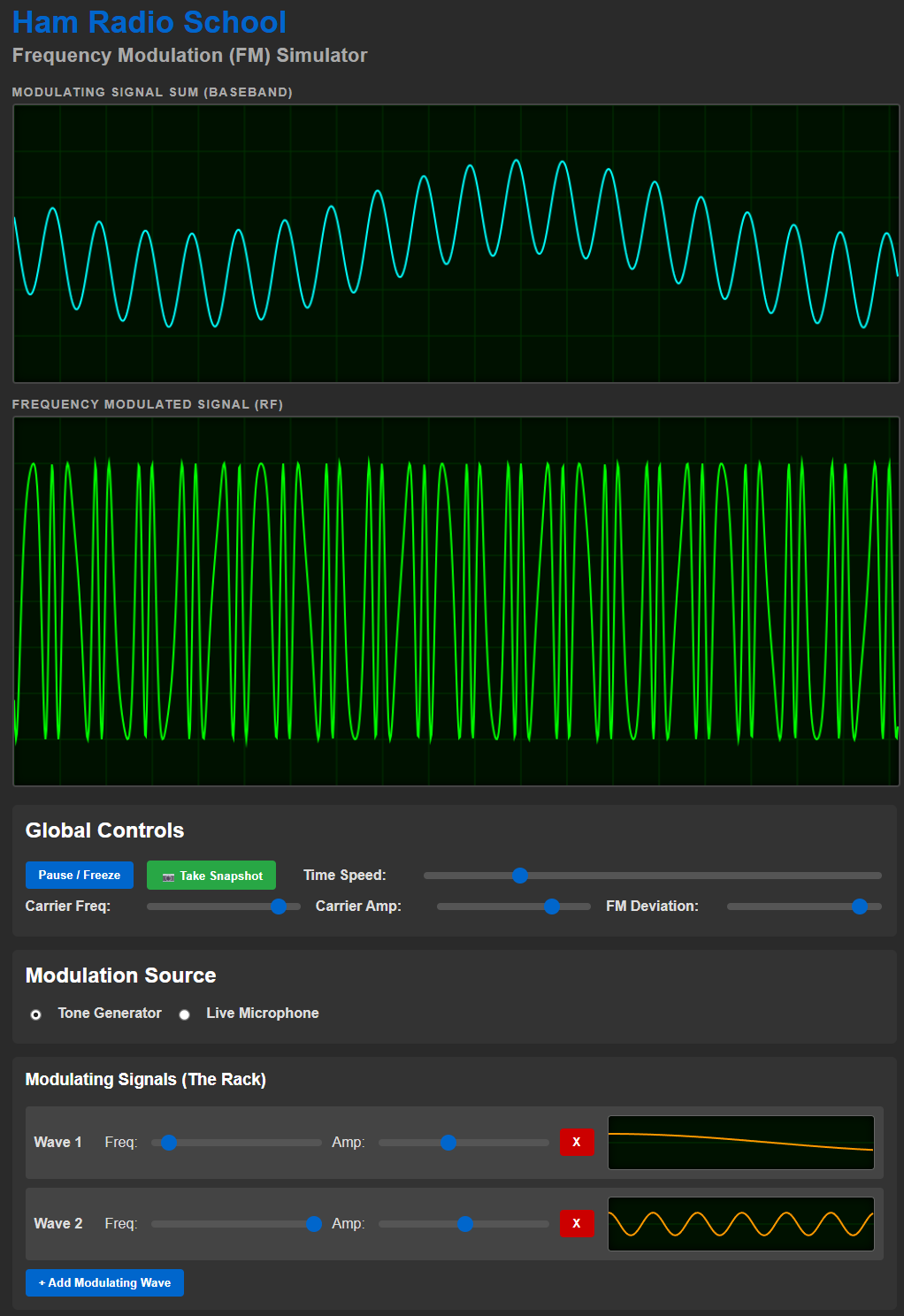
<p id="viewer-vm9pg336" class="dUraF _0Jf6a Nv1gb YXSPe" dir="auto"><span class="R-1EE">Identical to the AM Simulator, but producing a visualization of a frequency-modulated RF carrier. Build a modulating signal with various sine wave inputs, or use your microphone for complex audio input. This simulator adds a slider control for FM deviation level, adjusting the relationship between baseband amplitude and RF carrier frequency deviation. The carrier deviations are somewhat exaggerated so that they are readily observed, as FM signal deviations are quite subtle. (A typical FM signal's 5 kHz deviation will result in wavelength variation of only about 0.14 millimeter.)</span></p>
</div>
<div data-hook="rcv-block16"> </div>
<div data-breakout="normal">
<div id="viewer-653ic6983" class="dUraF _0Jf6a Nv1gb YXSPe" dir="auto"><span class="R-1EE"><figure class="post__image post__image--center"><img loading="lazy"  src="https://www.hamradioschool.com/articles/media/posts/107/FM-Sim.png" alt="" width="500" height="728" sizes="(min-width: 760px) 660px, calc(93.18vw - 30px)" srcset="https://www.hamradioschool.com/articles/media/posts/107/responsive/FM-Sim-xs.png 320w ,https://www.hamradioschool.com/articles/media/posts/107/responsive/FM-Sim-sm.png 480w ,https://www.hamradioschool.com/articles/media/posts/107/responsive/FM-Sim-md.png 768w ,https://www.hamradioschool.com/articles/media/posts/107/responsive/FM-Sim-xl.png 1024w"></figure></span></div>
</div>
<div data-breakout="normal">
<div id="viewer-6z6er6854" class="KzHAJ">
<div class="plqnX -HrEA">
<figure class="nP0oH" data-hook="figure-IMAGE">
<figcaption class="MffKp">Like the AM Simulator, our FM Simulator allows the construction of complex baseband signals that are reflected in a simulation of the FM carrier deviations.</figcaption>
<div id="viewer-77n556871" class="KzHAJ">
<div class="qxEUA"> </div>
</div>
<div data-hook="gap-spacer"> </div>
<div class="-VLS7 rArW0" data-hook="gap-spacer"><strong style="font-size: inherit;">CW Simulator:</strong></div>
</figure>
</div>
</div>
</div>
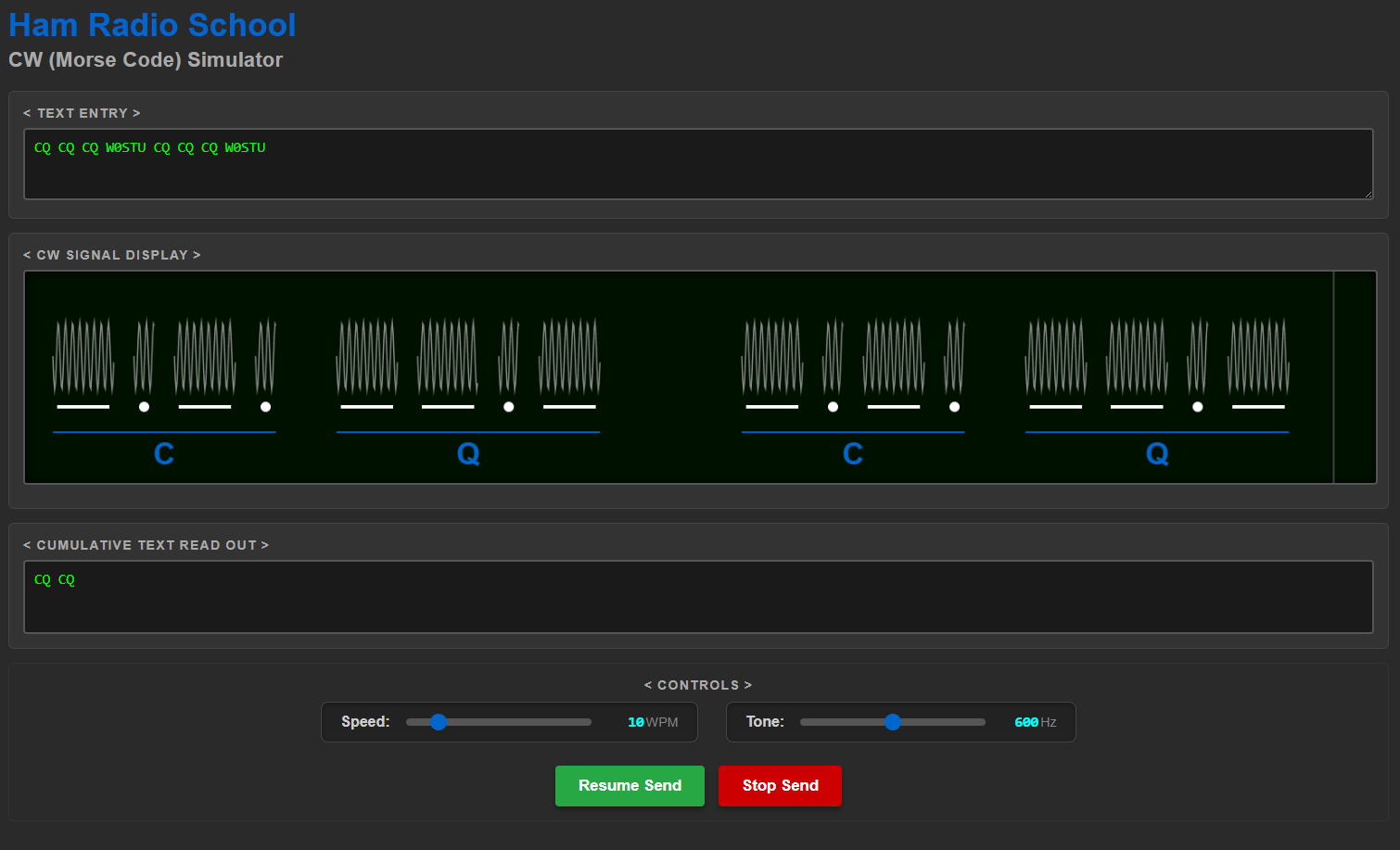
<div data-hook="rcv-block20"><span style="font-size: inherit;">Enter a string of text, select a words-per-minute send speed, and view the carrier waveform on-off patterns or Morse Code along with a read out of the characters represented. Adjust the tone as desired that is produced with each dit and dah, all with perfect CW cadence between characters and words.</span></div>
<div data-hook="rcv-block21"> </div>
<div data-breakout="normal">
<div id="viewer-ahre512503" class="dUraF _0Jf6a Nv1gb YXSPe" dir="auto"><span class="R-1EE"><figure class="post__image post__image--center"><img loading="lazy"  src="https://www.hamradioschool.com/articles/media/posts/107/CW-Sim.png" alt="" width="700" height="425" sizes="(min-width: 760px) 660px, calc(93.18vw - 30px)" srcset="https://www.hamradioschool.com/articles/media/posts/107/responsive/CW-Sim-xs.png 320w ,https://www.hamradioschool.com/articles/media/posts/107/responsive/CW-Sim-sm.png 480w ,https://www.hamradioschool.com/articles/media/posts/107/responsive/CW-Sim-md.png 768w ,https://www.hamradioschool.com/articles/media/posts/107/responsive/CW-Sim-xl.png 1024w"></figure></span></div>
</div>
<div data-breakout="normal">
<div id="viewer-qkgwj12576" class="KzHAJ">
<div class="plqnX -HrEA">
<figure class="nP0oH" data-hook="figure-IMAGE">
<figcaption class="MffKp">The CW Simulator lets you enter a text string and see and hear it accurately encoded as a CW signal.</figcaption>
<div id="viewer-c5vwt12598" class="KzHAJ">
<div> </div>
<div> </div>
<div class="qxEUA"><strong style="font-size: inherit;">Frequency Shift Keying (FSK) Digital Mode Simulator:  </strong></div>
</div>
</figure>
</div>
</div>
</div>
<div data-breakout="normal">
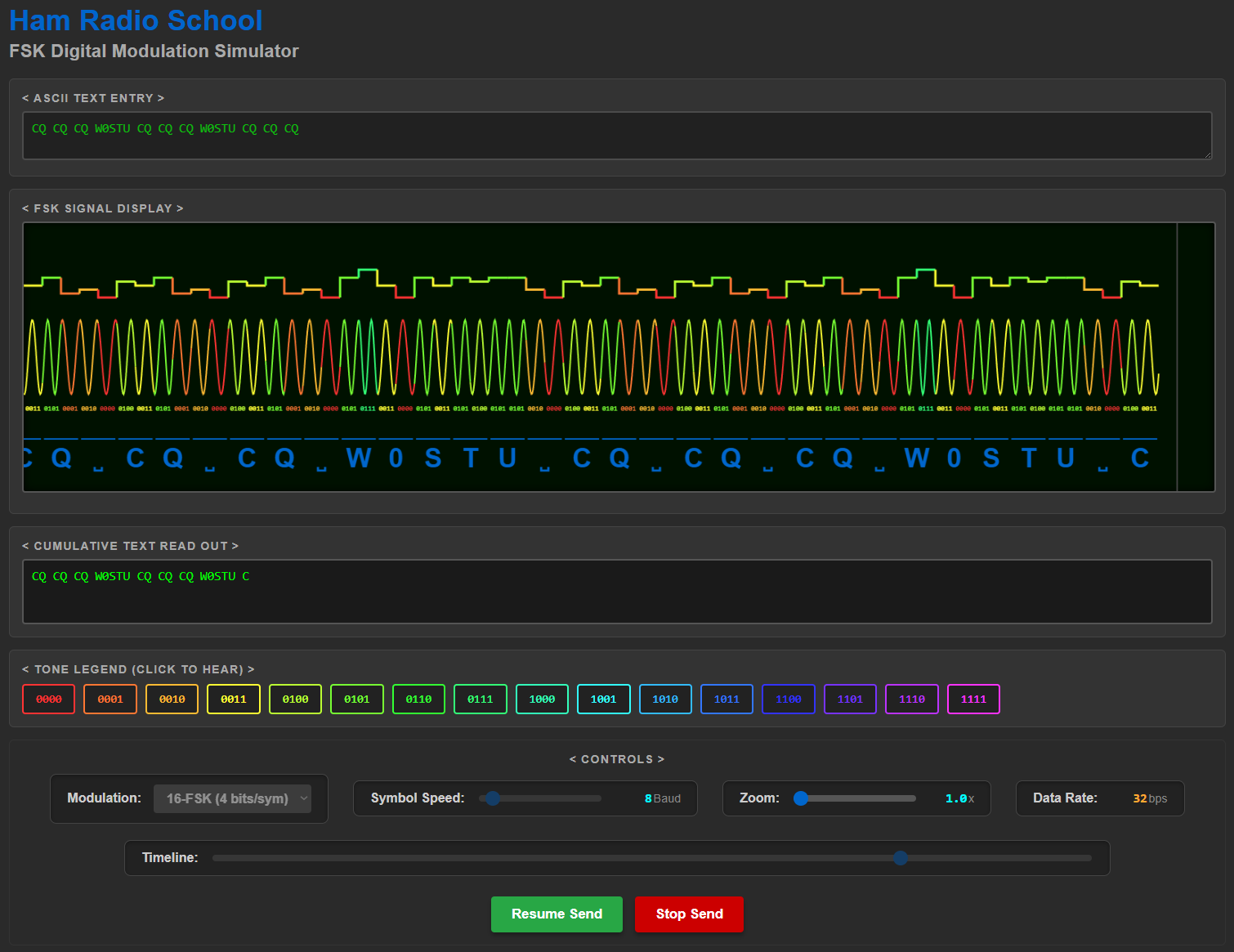
<p id="viewer-qu441346" class="dUraF _0Jf6a Nv1gb YXSPe" dir="auto"><span class="R-1EE">Explore the fundamentals of digital modulation using FSK. Enter a text string to encode with 8-bit ASCII and select one of three FSK tone quantities: 2-FSK, 4-FSK, or 16-FSK. See and hear the message encoded using your selected FSK method, with each unique tone symbol color-coded for differentiation in the display as well as represented in a stairstep diagram. The commensurate binary digital values are also displayed under each color-coded wave segment, and each resultant text character is displayed with an underscore grouping the eight binary values that represent it. Zoom and display scroll controls are provided to enlarge the display when needed for careful examination of the results Easily compare symbol rates (baud) and data rates across the different FSK methods.</span></p>
</div>
<div data-breakout="normal"> </div>
<div data-breakout="normal">
<div id="viewer-0njpp16012" class="KzHAJ">
<div class="plqnX -HrEA">
<figure class="nP0oH post__image post__image--center" data-hook="figure-IMAGE">
<div class="KzHAJ">
<div class="KzHAJ">
<div class="qxEUA"><figure class="post__image post__image--center"><img loading="lazy"  src="https://www.hamradioschool.com/articles/media/posts/107/FSK-Sim.png" alt="" width="700" height="540" sizes="(min-width: 760px) 660px, calc(93.18vw - 30px)" srcset="https://www.hamradioschool.com/articles/media/posts/107/responsive/FSK-Sim-xs.png 320w ,https://www.hamradioschool.com/articles/media/posts/107/responsive/FSK-Sim-sm.png 480w ,https://www.hamradioschool.com/articles/media/posts/107/responsive/FSK-Sim-md.png 768w ,https://www.hamradioschool.com/articles/media/posts/107/responsive/FSK-Sim-xl.png 1024w"></figure></div>
</div>
</div>
<figcaption class="MffKp">The FSK Digital Mode Simulator illustrates the basics of digital modulation with visuals and tones. Enter a text string to see and hear it encoded into ASCII binary code.</figcaption>
<div id="viewer-2zcf016038" class="KzHAJ">
<div class="qxEUA"> </div>
</div>
</figure>
</div>
</div>
</div>
<div data-hook="rcv-block29"><strong>QRM and Passband Simulator:</strong></div>
<div data-hook="rcv-block29"> </div>
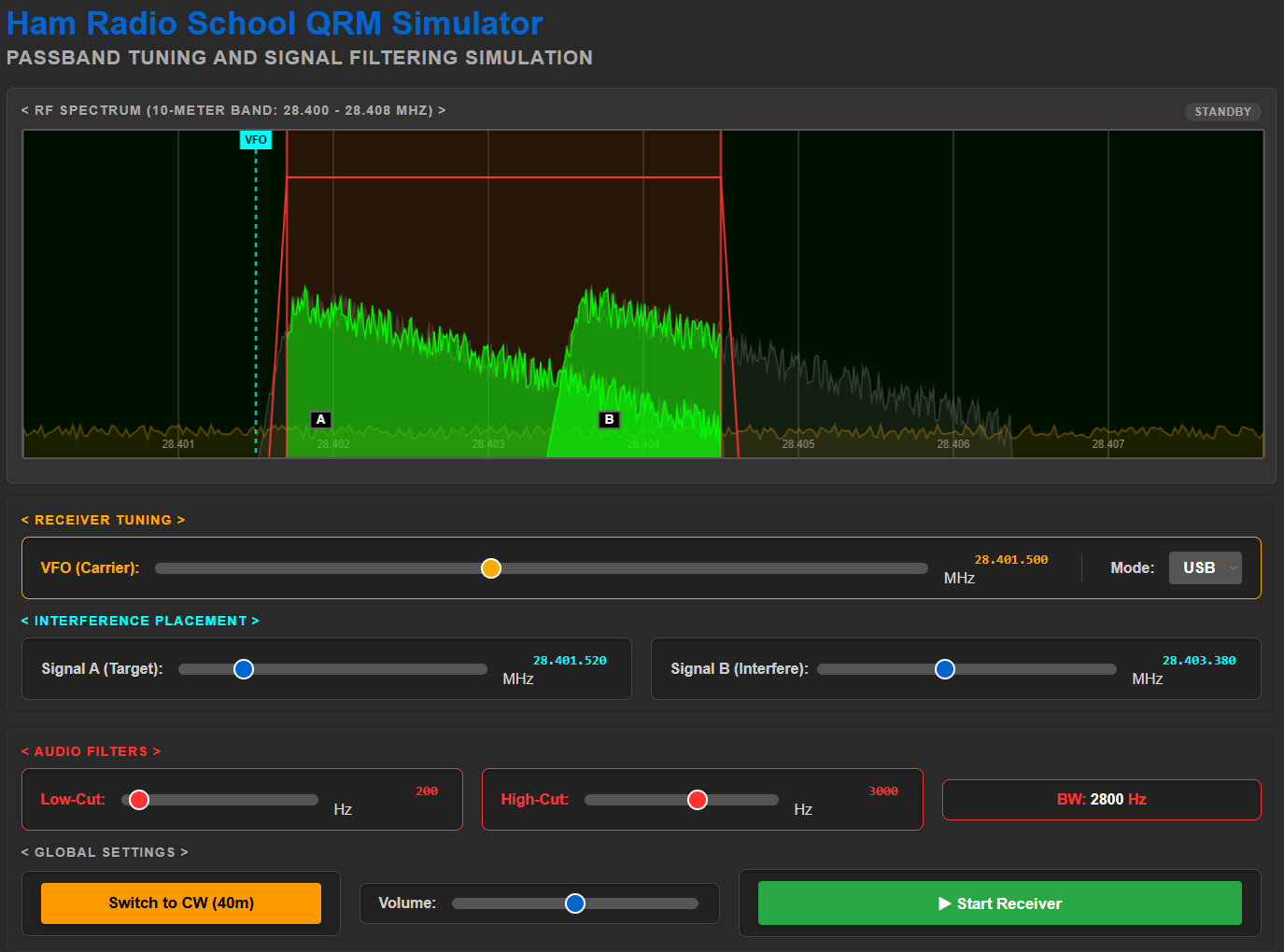
<div data-hook="rcv-block29">This app helps student envision a band's spectrum and interfering SSB or CW signals in the band. Realistic audio is produced simulating the effects of interference in these modes and the effects of adjusting high-cut and low-cut filters, changing receive filter bandwidth and limits. Controls allow the movement of two signals up and down the band to create various interference scenarios and to create a wide range of receive filter effects.</div>
<div data-hook="rcv-block29"> </div>
<div data-hook="rcv-block29">
<figure class="post__image post__image--center"><img loading="lazy" src="https://www.hamradioschool.com/articles/media/posts/107/QRM-Sim.png" alt="" width="700" height="519" sizes="(min-width: 760px) 660px, calc(93.18vw - 30px)" srcset="https://www.hamradioschool.com/articles/media/posts/107/responsive/QRM-Sim-xs.png 320w ,https://www.hamradioschool.com/articles/media/posts/107/responsive/QRM-Sim-sm.png 480w ,https://www.hamradioschool.com/articles/media/posts/107/responsive/QRM-Sim-md.png 768w ,https://www.hamradioschool.com/articles/media/posts/107/responsive/QRM-Sim-xl.png 1024w">
<figcaption>The QRM and Passband Tuning Simulator produces realistic audio effects as interfering signals are adjusted in band position and as filter bandwidth and position are changed.</figcaption>
</figure>
<p><strong>Time and Frequency Domain FFT Analyzer</strong><strong>:</strong></p>
<p>Describing the time and frequency domains of signals is always a challenge for student. With this app you can record your own audio signal and see it represented in the time domain and the frequency domain. Zoom in and out on displays for detailed analysis. Playback the audio signal at reduced speed but without pitch / frequency shifts to examine the dynamics of the FFT analysis. Standard stock audio signals are also provided, such as square wave, sawtooth wave, sine wave, and sweeping sine wave signals.</p>
<figure class="post__image post__image--center"><img loading="lazy" src="https://www.hamradioschool.com/articles/media/posts/107/FFT-Sim.png" alt="" width="700" height="547" sizes="(min-width: 760px) 660px, calc(93.18vw - 30px)" srcset="https://www.hamradioschool.com/articles/media/posts/107/responsive/FFT-Sim-xs.png 320w ,https://www.hamradioschool.com/articles/media/posts/107/responsive/FFT-Sim-sm.png 480w ,https://www.hamradioschool.com/articles/media/posts/107/responsive/FFT-Sim-md.png 768w ,https://www.hamradioschool.com/articles/media/posts/107/responsive/FFT-Sim-xl.png 1024w">
<figcaption>The Time &amp; Frequency Domain FFT Analyzer brings these two interconnected signal views to life for students.</figcaption>
</figure>
<p><strong>Filter Simulator:</strong></p>
<p>This app let's you see and hear the effects of various real-world filter types on audio. Like the Time and Frequency Domain FFT Analyzer, it depicts time and frequency domain views with filter effects depicted in the frequency domain view spectrum scope display. Select high-pass, low-pass, band-pass, band reject, or notch filter types and adjust bandwidth, sharpness, and center frequency. Record your own audio for examination with filtering or use stock options such as white noise. Playback audio at slow speed without pitch changes for careful dynamic analysis, and select from four different FFT window sample sizes. Student quickly obtain an intuitive comprehension of filter effects.</p>
<figure class="post__image post__image--center"><img loading="lazy" src="https://www.hamradioschool.com/articles/media/posts/107/Filter-Sim.png" alt="" width="700" height="581" sizes="(min-width: 760px) 660px, calc(93.18vw - 30px)" srcset="https://www.hamradioschool.com/articles/media/posts/107/responsive/Filter-Sim-xs.png 320w ,https://www.hamradioschool.com/articles/media/posts/107/responsive/Filter-Sim-sm.png 480w ,https://www.hamradioschool.com/articles/media/posts/107/responsive/Filter-Sim-md.png 768w ,https://www.hamradioschool.com/articles/media/posts/107/responsive/Filter-Sim-xl.png 1024w">
<figcaption>The Filter Simulator represents various filter effects visually and aurally. </figcaption>
</figure>
</div>
<div data-hook="rcv-block29"> </div>
<div data-hook="rcv-block29"><strong style="font-size: inherit;">SWR and Wave Superposition Simulator:</strong></div>
<div data-hook="rcv-block30"> </div>
<div data-hook="rcv-block30"><span style="font-size: inherit;">Students often have a tough time visualizing the standing waves in a transmission line that are produced when an impedance mismatch exists at the antenna feed point. This app illustrates the voltage dynamics inside a transmission line, displaying a forward sine wave signal traveling right, a reflected sine wave signal traveling left, and the resultant sum of the two. The student can see the high voltage amplitude of the resulting standing waves and the low voltage amplitude of the standing waves. The ratio of these high and low voltages is computed and displayed as an SWR value. Watch the SWR increase and decrease as the reflected signal amplitude is adjusted. Use the slider controls to change the propagation speed, the amplitudes of forward and reflected signals, and the frequency of the wave. Independently display only the forward signal, only the reflected signal, or only the summed resultant, as desired.</span></div>
<div data-hook="rcv-block31"> </div>
<div data-breakout="normal">
<div id="viewer-706v422301" class="dUraF _0Jf6a Nv1gb YXSPe" dir="auto"><span class="R-1EE"><figure class="post__image post__image--center"><img loading="lazy"  src="https://www.hamradioschool.com/articles/media/posts/107/SWR-Sim.png" alt="" width="600" height="595" sizes="(min-width: 760px) 660px, calc(93.18vw - 30px)" srcset="https://www.hamradioschool.com/articles/media/posts/107/responsive/SWR-Sim-xs.png 320w ,https://www.hamradioschool.com/articles/media/posts/107/responsive/SWR-Sim-sm.png 480w ,https://www.hamradioschool.com/articles/media/posts/107/responsive/SWR-Sim-md.png 768w ,https://www.hamradioschool.com/articles/media/posts/107/responsive/SWR-Sim-xl.png 1024w"></figure></span></div>
</div>
<div data-breakout="normal">
<div id="viewer-7qf0s22370" class="KzHAJ">
<div class="plqnX -HrEA">
<figure class="nP0oH" data-hook="figure-IMAGE">
<figcaption class="MffKp">Watch forward and reflected transmission line voltage waveforms be dynamically summed into resultant standing waves for SWR determination. Change the signal amplitudes and observe standing wave and SWR impacts.</figcaption>
<div id="viewer-2ude422400" class="KzHAJ">
<div class="qxEUA"> </div>
</div>
<div class="-VLS7 rArW0" data-hook="gap-spacer"> </div>
</figure>
</div>
</div>
</div>
<div data-hook="rcv-block33"><strong>Ohm's Law Simulator:</strong></div>
<div data-hook="rcv-block33"> </div>
<div data-hook="rcv-block33">Students can see the changes is current flow and component illumination as adjustments are made to the supply voltage and the circuit resistance. A calculation of current is displayed with adjustments. Go too far and you'll toast the LED or lamp! Select various LED colors.</div>
<div data-hook="rcv-block33"> </div>
<div data-hook="rcv-block33">
<figure class="post__image post__image--center"><img loading="lazy" src="https://www.hamradioschool.com/articles/media/posts/107/Ohm-Sim.png" alt="" width="700" height="661" sizes="(min-width: 760px) 660px, calc(93.18vw - 30px)" srcset="https://www.hamradioschool.com/articles/media/posts/107/responsive/Ohm-Sim-xs.png 320w ,https://www.hamradioschool.com/articles/media/posts/107/responsive/Ohm-Sim-sm.png 480w ,https://www.hamradioschool.com/articles/media/posts/107/responsive/Ohm-Sim-md.png 768w ,https://www.hamradioschool.com/articles/media/posts/107/responsive/Ohm-Sim-xl.png 1024w">
<figcaption>The Ohm's Lw Simulator provides an intuitive view of the relationship among voltage, current, and resistance.</figcaption>
</figure>
</div>
<div data-breakout="normal">
<div id="viewer-t9yhy615" class="dUraF _0Jf6a Nv1gb YXSPe" dir="auto"><span style="font-size: inherit;">I hope you put our new visualization apps to good use for your own comprehension or for your instructional purposes. We will be using them for salient explanations in our online course video lessons beginning with the new 2026-2030 edition of the Technician License Course.</span></div>
</div>
<div data-hook="rcv-block36"> </div>
<div data-breakout="normal">
<p id="viewer-w6blq355" class="dUraF _0Jf6a Nv1gb YXSPe" dir="auto"><span class="R-1EE">Enjoy <em>fiddling</em> with these apps, and if you have suggestions be sure to drop us a note with your ideas.</span></p>
</div>
<div data-hook="rcv-block38"> </div>
<div data-hook="rcv-block38"><span style="font-size: inherit;">73,</span></div>
<div data-hook="rcv-block39"><span style="font-size: inherit;">Stu WØSTU</span></div>
            ]]>
        </content>
    </entry>
    <entry>
        <title>Get a Vanity Call Sign</title>
        <author>
            <name>Bob Witte, KØNR</name>
        </author>
        <link href="https://www.hamradioschool.com/articles/get-a-vanity-call-sign.html"/>
        <id>https://www.hamradioschool.com/articles/get-a-vanity-call-sign.html</id>
        <media:content url="https://www.hamradioschool.com/articles/media/posts/34/vanity-calls.png" medium="image" />

        <updated>2025-01-22T12:00:00-07:00</updated>
            <summary type="html">
                <![CDATA[
                        <img src="https://www.hamradioschool.com/articles/media/posts/34/vanity-calls.png" alt="" />
                    A common question I hear from new hams is “how do I get a vanity call sign?” The process is&hellip;
                ]]>
            </summary>
        <content type="html">
            <![CDATA[
                    <p><img src="https://www.hamradioschool.com/articles/media/posts/34/vanity-calls.png" class="type:primaryImage" alt="" /></p>
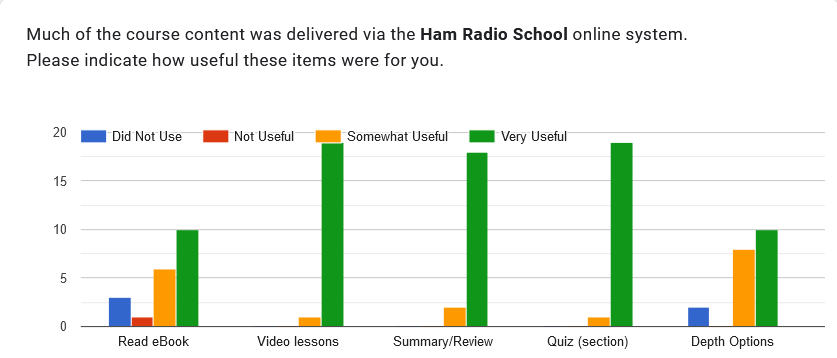
                <p>A common question I hear from new hams is “how do I get a vanity call sign?” The process is probably harder than it needs to be but certainly something any ham can do. In this article, I’ll keep things as simple as possible, focusing on what a new ham must do to get a vanity call. That is, this piece is focused on the new Technician or General that wants to get a special callsign. As part of the recent FCC license application fees, there is now a $35 charge for an amateur vanity application. (It used to be free.)</p>
<p>The basic steps to getting your special call sign are:</p>
<p>1. Choose one or more call signs that you’d like. 2. Find your FCC Registration Number (FRN) 3. Log onto the FCC Universal Licensing System (ULS) 4. Apply using “Request Vanity Call Sign”</p>
<p>5. Pay the FCC license application fee</p>
<p>To go deeper on this topic <a target="_blank" href="http://www.arrl.org/vanity-call-signs" rel="noopener" class="cTdsj duxMi" data-hook="web-link">take a look at the ARRL page</a>, which describes the vanity call sign program in greater detail.</p>
<h3>1. Choose A Call Sign</h3>
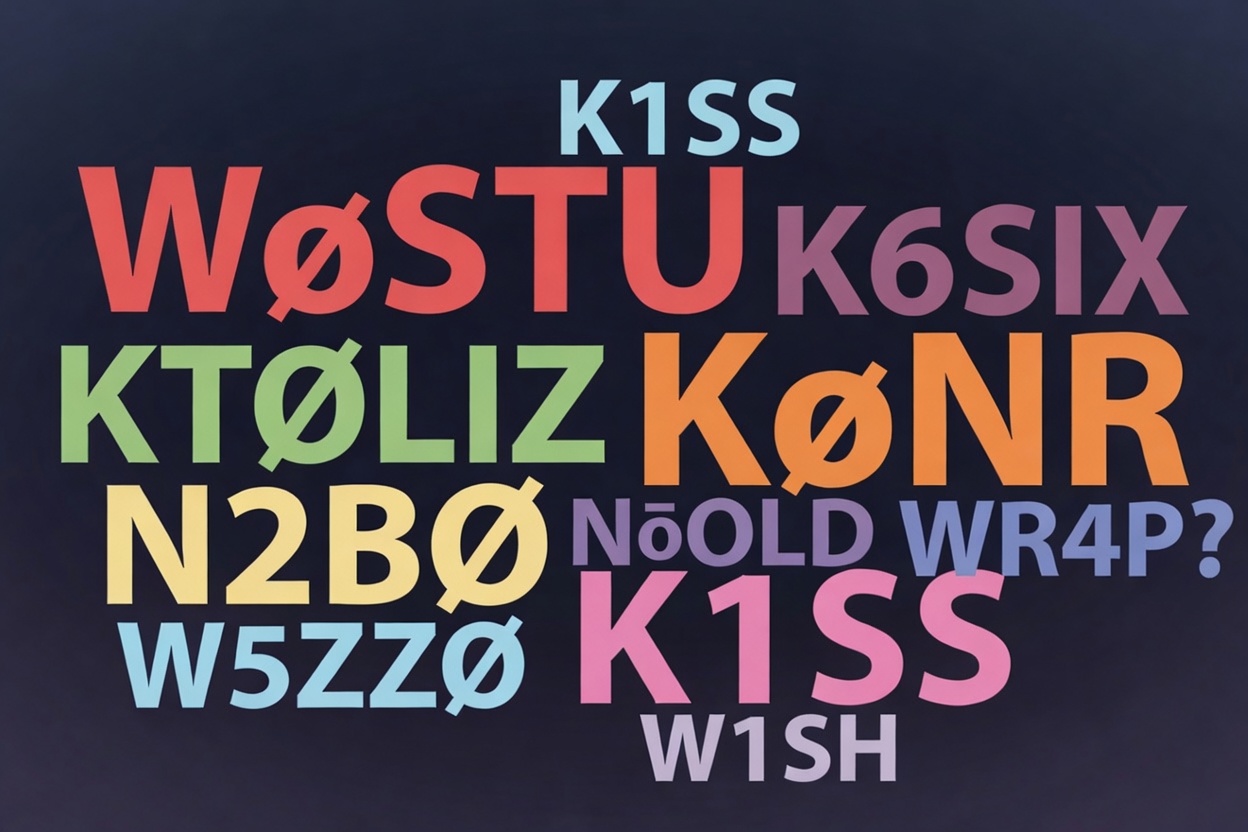
<p>The first step is probably the most fun, choosing what call sign you’d like to have. I chose my callsign KØNR because of its short length and the traditional KØ prefix. My buddy Stu chose the call sign WØSTU to match his name. Steve WGØAT chose his call sign to reflect his passion for hiking with pack goats. Many people choose a call sign with their initials in it. You certainly may have other ideas on what constitutes the right call sign for you.</p>
<p>Tech and General class licensees are allowed to choose either a 1×3 call sign (beginning with prefix N, K or W), or a 2×3 call sign (beginning with prefix letter K or W), referred to by the FCC as call sign Groups C and D. Of course, you must choose a call sign that is not assigned, which you can check by doing a search on the <a target="_blank" href="https://www.fcc.gov/wireless/universal-licensing-system" rel="noopener" class="cTdsj duxMi" data-hook="web-link"><u style="text-decoration: underline;">FCC ULS web site</u></a>. RadioQTH has a <a target="_blank" href="http://www.radioqth.net/vanity/available" rel="noopener" class="cTdsj duxMi" data-hook="web-link"><u style="text-decoration: underline;">useful tool for searching</u></a> for available call signs.</p>
<p>You should probably choose a few call signs that you’d be happy with and submit them in order of preference (see <span style="color: #000000; text-decoration: inherit;"><a class="_1TvKK" href="https://www.hamradioschool.com/blog/hashtags/4" target="_blank" rel="noopener"><span style="color: #000000; text-decoration: inherit;">#4</span></a>below). Your first choice may not be available for a number of reasons, such as someone else may have just applied for it.</span></p>
<h3>2. Find Your FCC Registration Number (FRN)</h3>
<p>If you have an FCC radio license, you have an FRN. It was probably assigned to you when your license was first issued. Think of this as your user name for the ULS web site. To find your FRN, <a target="_blank" href="http://wireless2.fcc.gov/UlsApp/UlsSearch/searchLicense.jsp" rel="noopener" class="cTdsj duxMi" data-hook="web-link">search for your call sign on the ULS page</a>.</p>
<h3>3. Log onto the FCC ULS</h3>
<p>Next you need to <a target="_blank" href="https://wireless2.fcc.gov/UlsEntry/licManager/login.jsp" rel="noopener" class="cTdsj duxMi" data-hook="web-link"><u style="text-decoration: underline;">log into the ULS</u></a>, which will probably be the most difficult part of the process — select the <strong>Online Filing</strong> login option. You’ll need your FRN and your password for the site. Hopefully, you just found your FRN but you may not have a password assigned yet. If not, you’ll need to follow the <strong>Forgot Your Password?</strong> instructions on <a target="_blank" href="https://www.fcc.gov/wtbhelp" rel="noopener" class="cTdsj duxMi" data-hook="web-link"><u style="text-decoration: underline;">this page</u></a> and get assistance.</p>
<h3>4. Request a Vanity Call Sign</h3>
<p>Once you log into ULS, it should show you a list of licenses assigned to your FRN. You probably only have one, so click on that one to open the <strong>License Manager</strong> page. You should see a blue menu box near the right edge of the page, titled <strong>Work on This License</strong>. This menu box includes a <strong>Request Vanity Call Sign </strong>selection. Continue past the ‘Applicant Questions’ page (answer ‘no’ to each) to the ‘Select Eligibility’ page. Select your category, most commonly <strong>Primary station preference list</strong> unless you are requesting a vanity call formerly held by you or a close relative. Continue to the next page to provide a list, in order of preference, of vanity call signs you would prefer to be assigned. Continue through the remaining self-explanatory steps of the application process after you have entered your set of preferred call signs.</p>
<h3>5. Pay the FCC Application Fee</h3>
<p>Follow the FCC instructions on how to pay the $35 application fee.</p>
<p>This should get your application into the FCC for your call sign. It will probably take a few weeks to get action from the FCC, so be patient. Good luck with your new call!</p>
<p>73, Bob K0NR</p>
<h5>Postscript</h5>
<p>This article provides the basic information for getting a vanity callsign, one that is readily available. Some hams may want to get callsign that has been previously issued, perhaps a 1x2 or 2x1 callsign. (You'll need an Extra class license for that.) Competition for these callsigns is usually strong, so you'll want to apply on the day they first become available, which is usually after the 2 year grace period expires.<a target="_blank" href="http://expires.Here" rel="noopener" class="cTdsj duxMi" data-hook="web-link"></a></p>
<p><a target="_blank" href="http://expires.Here" rel="noopener" class="cTdsj duxMi" data-hook="web-link"><span style="color: #000000; text-decoration: inherit;">Here</span></a><span style="color: #000000; text-decoration: inherit;"> some tools that will help you figure that out: <a target="_blank" href="https://www.ae7q.com/" rel="noopener" class="cTdsj duxMi" data-hook="web-link"><u style="text-decoration: underline;">https://www.ae7q.com/</u></a></span></p>
<p><a target="_blank" href="https://vanities.k2cr.com/" rel="noopener" class="cTdsj duxMi" data-hook="web-link"><u style="text-decoration: underline;">https://vanities.k2cr.com/</u></a> </p>
            ]]>
        </content>
    </entry>
    <entry>
        <title>How We Elevate Your Learning, and Why</title>
        <author>
            <name>Stu Turner, WØSTU</name>
        </author>
        <link href="https://www.hamradioschool.com/articles/how-we-elevate-your-learning-and-why.html"/>
        <id>https://www.hamradioschool.com/articles/how-we-elevate-your-learning-and-why.html</id>
        <media:content url="https://www.hamradioschool.com/articles/media/posts/108/elevate-2.png" medium="image" />
            <category term="What&#x27;s New?"/>

        <updated>2025-01-15T12:18:00-07:00</updated>
            <summary type="html">
                <![CDATA[
                        <img src="https://www.hamradioschool.com/articles/media/posts/108/elevate-2.png" alt="" />
                    One of our recent Extra License Course graduates, Alex WA7NUT, was kind enough to leave a terrific review and recommendation&hellip;
                ]]>
            </summary>
        <content type="html">
            <![CDATA[
                    <p><img src="https://www.hamradioschool.com/articles/media/posts/108/elevate-2.png" class="type:primaryImage" alt="" /></p>
                <div data-breakout="normal">
<p id="viewer-foo" class="wH46u FvsWF rcl0D SSmro" dir="auto"><span class="WhDDP">One of our recent Extra License Course graduates, Alex WA7NUT, was kind enough to leave a terrific review and recommendation for Ham Radio School on the Reddit Amateur Radio forum (r/amateurradio):</span></p>
</div>
<div data-hook="rcv-block1"> </div>
<div data-breakout="normal">
<blockquote>
<div id="viewer-e1new243" class="wH46u FvsWF rcl0D SSmro" dir="auto"><em style="font-size: inherit;">My reason for going through all this is to learn and understand the material, not just pass the test. The learning is the whole point for me. I'm about halfway through Ham Radio School's Extra course. I aced the General test a week and a half ago and took the Technician test two weeks before that. But I didn't do any memorization, I was just able to work out problems based on knowing the material.</em></div>
</blockquote>
</div>
<div data-hook="rcv-block3"> </div>
<div data-breakout="normal">
<div id="viewer-u5cqn252" class="wH46u FvsWF rcl0D SSmro" dir="auto"><span style="font-size: inherit;">And subsequently:</span></div>
</div>
<div data-breakout="normal">
<blockquote>
<div id="viewer-7nq5t261" class="wH46u FvsWF rcl0D SSmro" dir="auto"><em style="font-size: inherit;">I can't recommend this (Ham Radio School) course enough. Today I passed my Extra exam. I passed my General 1 month and 1 day ago. I passed my Tech 2 weeks before that. -- Alex WA7NUT</em></div>
</blockquote>
</div>
<div data-hook="rcv-block7"> </div>
<div data-breakout="normal">
<div id="viewer-nikjg286" class="wH46u FvsWF rcl0D SSmro" dir="auto"><span style="font-size: inherit;">Not everyone preparing for a license exam has Alex’s rationale in mind, that of really learning radio concepts. Many students are focused on just passing the exam by what they believe will be the quickest, most efficient manner possible to get on the air. Usually, this involves a lot of (mostly) brainless memorization of exam questions and answers, a rather painful exercise.</span></div>
</div>
<div data-breakout="normal">
<div dir="auto"> </div>
<div id="viewer-wowx1271" class="wH46u FvsWF rcl0D SSmro" dir="auto"><span style="font-size: inherit;">But, as Alex points out, really learning radio concepts can be a very efficient method of exam preparation, and perhaps THE most efficient method when looking forward to earning the General and Extra licenses. This type of exam preparation – conceptual learning focused on exam topics – is exactly what we mean to convey with our Ham Radio School motto: </span><em style="font-size: inherit;">Elevate your learning!</em></div>
</div>
<div data-hook="rcv-block11"> </div>
<div data-breakout="normal">
<div id="viewer-y5sg6363" class="wH46u FvsWF rcl0D SSmro" dir="auto"><strong style="font-size: inherit;"><em>The Ham Radio School Way: </em></strong><span style="font-size: inherit;"> Our method of exam preparation targets a middle ground of learning that is comfortable for the vast majority of students. Clearly, some rote memorization is necessary for success within some exam topics, such as band plan limits. However, we strive to explain each exam question pool item without going over the head of the typical student and without going into extreme topic depth that muddies the knowledge retention needed for exam success. We stay focused on exam topics, presenting specific question items within a framework of simple explanation, providing an efficient system of learning. This approach helps you to understand the question and the correct response item, as well as why the response item is correct.</span></div>
<div dir="auto"> </div>
<div dir="auto">
<figure class="post__image post__image--center"><figure class="post__image post__image--center"><img loading="lazy"  src="https://www.hamradioschool.com/articles/media/posts/108//elevate.png" alt="" width="700" height="279" sizes="(min-width: 760px) 660px, calc(93.18vw - 30px)" srcset="https://www.hamradioschool.com/articles/media/posts/108//responsive/elevate-xs.png 320w ,https://www.hamradioschool.com/articles/media/posts/108//responsive/elevate-sm.png 480w ,https://www.hamradioschool.com/articles/media/posts/108//responsive/elevate-md.png 768w ,https://www.hamradioschool.com/articles/media/posts/108//responsive/elevate-xl.png 1024w"></figure>
<figcaption>The Ham Radio School learning system prepares you to ace your exam and jumpstarts your operational competency.</figcaption>
</figure>
</div>
</div>
<div data-breakout="normal">
<div id="viewer-yr64b11991" class="j3Tby">
<div class="_1XrQh _4OBlC">
<figure class="k4d5f" data-hook="figure-IMAGE">
<div class="hqeKi" data-hook="image-viewer"> </div>
</figure>
</div>
</div>
</div>
<div data-hook="rcv-block14"><span style="font-size: inherit;">We also use a building block approach to help you create a well-founded knowledge network in your mind that you can draw upon to make inferences and to reason out exam questions or practical operating issues. Starting with fundamentals, we weave a story for you in our instructional materials that effectively blends operating concepts, FCC rules and regulations, radio science and engineering, safety, and practical information. As your mental network of relationships among these integrated topics grows, you will evolve a robust understanding of amateur radio and exam topics. You will ace your license exam and be head-and-shoulders above the typical brainless memorizer in on-air operational readiness.</span></div>
<div data-hook="rcv-block15"> </div>
<div data-breakout="normal">
<div id="viewer-h8esv374" class="wH46u FvsWF rcl0D SSmro" dir="auto"><span style="font-size: inherit;">Further, each of our course lessons includes optional depth resources for those who wish to dig a little deeper. Our courses offer depth media recommendations that include video, audio, articles, and links that reinforce exam learning or that go beyond the exam for deeper understanding. You can continue your learning even after you have aced the exam, taking your expertise to the next level.</span></div>
</div>
<div data-hook="rcv-block18"> </div>
<div data-hook="rcv-block18"><strong style="font-size: inherit;"><em>Why It Matters:</em></strong><span style="font-size: inherit;"> Amateur radio has more than 100 years of history. Although our informal moniker, ham radio, may have derogatory roots (1) alluding to a less-than-professional expertise, we seek to help preserve a legacy of quality operations on the allocated Amateur Radio Service bands passed down to us from myriad amateur operators who came before us. We seek to develop and maintain operators who implement good amateur practices – operating so that neighbors, family, and the general public who observe us will be impressed with amateur radio (2).</span></div>
<div data-hook="rcv-block20"> </div>
<div data-hook="rcv-block20"><span style="font-size: inherit;">Maintaining the on-air quality of ham radio requires a level of solid understanding of radio operations and sciences, as well as respect for the wealth of spectrum that our radio service is granted. Maintaining quality operations within the stated purposes of the Amateur Radio Service will help to avoid the loss of spectrum allocation to our service. This is why Ham Radio School endeavors to go the extra mile with our exam preparation materials and encourage you to </span><em style="font-size: inherit;">elevate your learning.</em><span style="font-size: inherit;"> We want you to really get it and get on the air with competence and confidence.</span></div>
<div data-hook="rcv-block21"> </div>
<div data-breakout="normal">
<div id="viewer-y0pw3379" class="wH46u FvsWF rcl0D SSmro" dir="auto"><em style="font-size: inherit;">1 – The term “ham radio” is thought to have arisen from early professional wireless telegraphers who referred to amateur radio operators as ham fisted, meaning their Morse Code was imperfect or substandard, relative to a professional telegrapher’s code.</em></div>
</div>
<div data-hook="rcv-block23"> </div>
<div data-breakout="normal">
<div id="viewer-nhpmo382" class="wH46u FvsWF rcl0D DEAFW" dir="auto"><em style="font-size: inherit;">2 – An encapsulated restatement of commentary offered by former FCC Special Counsel for the Spectrum Enforcement Division, Riley Hollingsworth, who offered numerous “Riley-isms” about how to conduct good operating practices in the FCC Amateur Radio Service.</em></div>
</div>
            ]]>
        </content>
    </entry>
    <entry>
        <title>Another Successful Class Offering!</title>
        <author>
            <name>Stu Turner, WØSTU</name>
        </author>
        <link href="https://www.hamradioschool.com/articles/another-successful-class-offering.html"/>
        <id>https://www.hamradioschool.com/articles/another-successful-class-offering.html</id>
        <media:content url="https://www.hamradioschool.com/articles/media/posts/109/ke0hz-elmer-2.png" medium="image" />
            <category term="What&#x27;s New?"/>

        <updated>2024-11-19T12:22:00-07:00</updated>
            <summary type="html">
                <![CDATA[
                        <img src="https://www.hamradioschool.com/articles/media/posts/109/ke0hz-elmer-2.png" alt="" />
                    Our local ham radio club, the Tri-Lakes Monument Radio Association (WØTLM), just wrapped up another of its semi-annual license class&hellip;
                ]]>
            </summary>
        <content type="html">
            <![CDATA[
                    <p><img src="https://www.hamradioschool.com/articles/media/posts/109/ke0hz-elmer-2.png" class="type:primaryImage" alt="" /></p>
                <div data-breakout="normal">
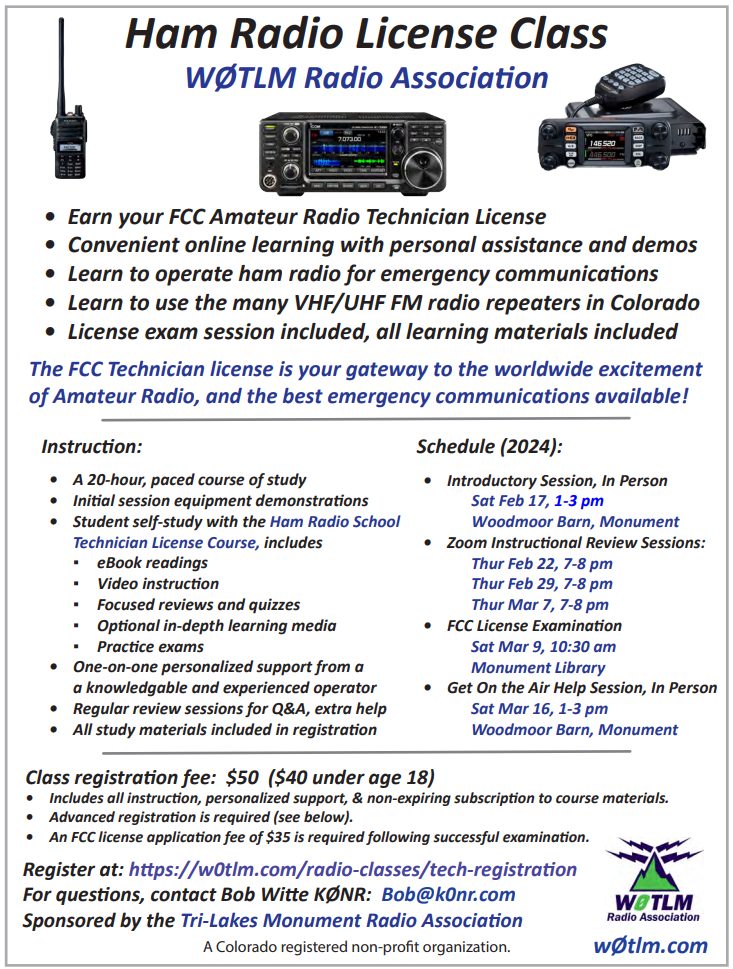
<p id="viewer-foo" class="dUraF _0Jf6a Nv1gb YXSPe" dir="auto"><span class="R-1EE">Our local ham radio club, the <a target="_blank" href="http://w0tlm.com/" rel="noopener noreferrer" class="CMc5N jZ8Yo" data-hook="web-link"><u>Tri-Lakes Monument Radio Association</u></a> (WØTLM), just wrapped up another of its semi-annual license class offerings (November 2024). As Bob KØNR reported earlier this year in <a target="_blank" href="https://www.hamradioschool.com/post/online-license-course-provides-new-teaching-options" rel="noopener noreferrer" class="CMc5N jZ8Yo" data-hook="web-link"><u>this blog piece</u></a>, the club restructured its class offerings in 2024 to utilize Ham Radio School's online courses as the primary student learning content. This approach has students individually study the online lessons' content instead of the more traditional in-person or remote meeting group classroom with live instructor lectures. The results have been very impressive - a 100% pass rate for students taking the license exam. To date in 2024, over 70 successful student exams have been completed in the two class offerings.</span></p>
</div>
<div data-hook="rcv-block1"> </div>
<div data-breakout="normal">
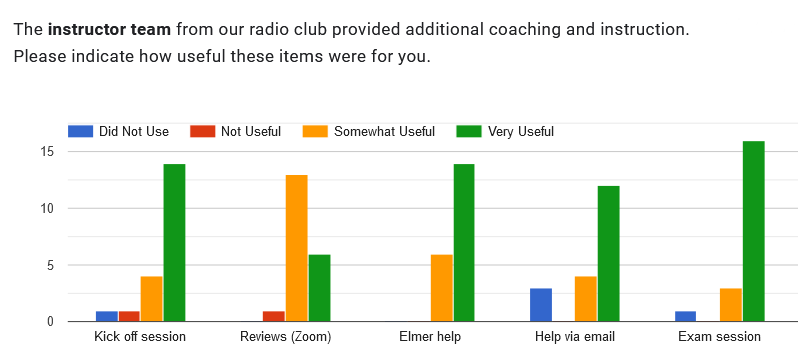
<div id="viewer-txfbs3234" class="dUraF _0Jf6a Nv1gb YXSPe" dir="auto"><strong style="font-size: inherit;">Keeping It Together:</strong><span style="font-size: inherit;"> The class is structured to keep all students progressing through the online learning content together. While the online content can be accessed by the student at any time convenient to his or her individual schedule, the class directors provide a pacing schedule that defines the expected lesson accomplishments or deadlines for the students. Along with encouragement and check-ins by the club's volunteer Elmers, the entire group learns in lockstep, facilitating group review sessions held weekly by online remote meeting.</span></div>
</div>
<div data-hook="rcv-block4"> </div>
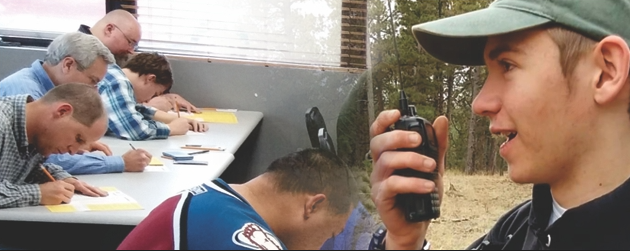
<div data-hook="rcv-block4"><strong style="font-size: inherit;">A Personal Touch:</strong><span style="font-size: inherit;"> While students learn using the online course readings, video lessons, reviews, quizzes and more, the club maintains a personal connection with each student through a combination of periodic in-person meetings, weekly remote meetings, and regular Elmer check-ins with students. Each course has at least three in-person group sessions for students in addition to the weekly remote meetings and Elmer check-ins:</span></div>
<div data-breakout="normal">
<ol class="zg1g9 Nv1gb">
<li class="_0CfII" dir="auto" aria-level="1">
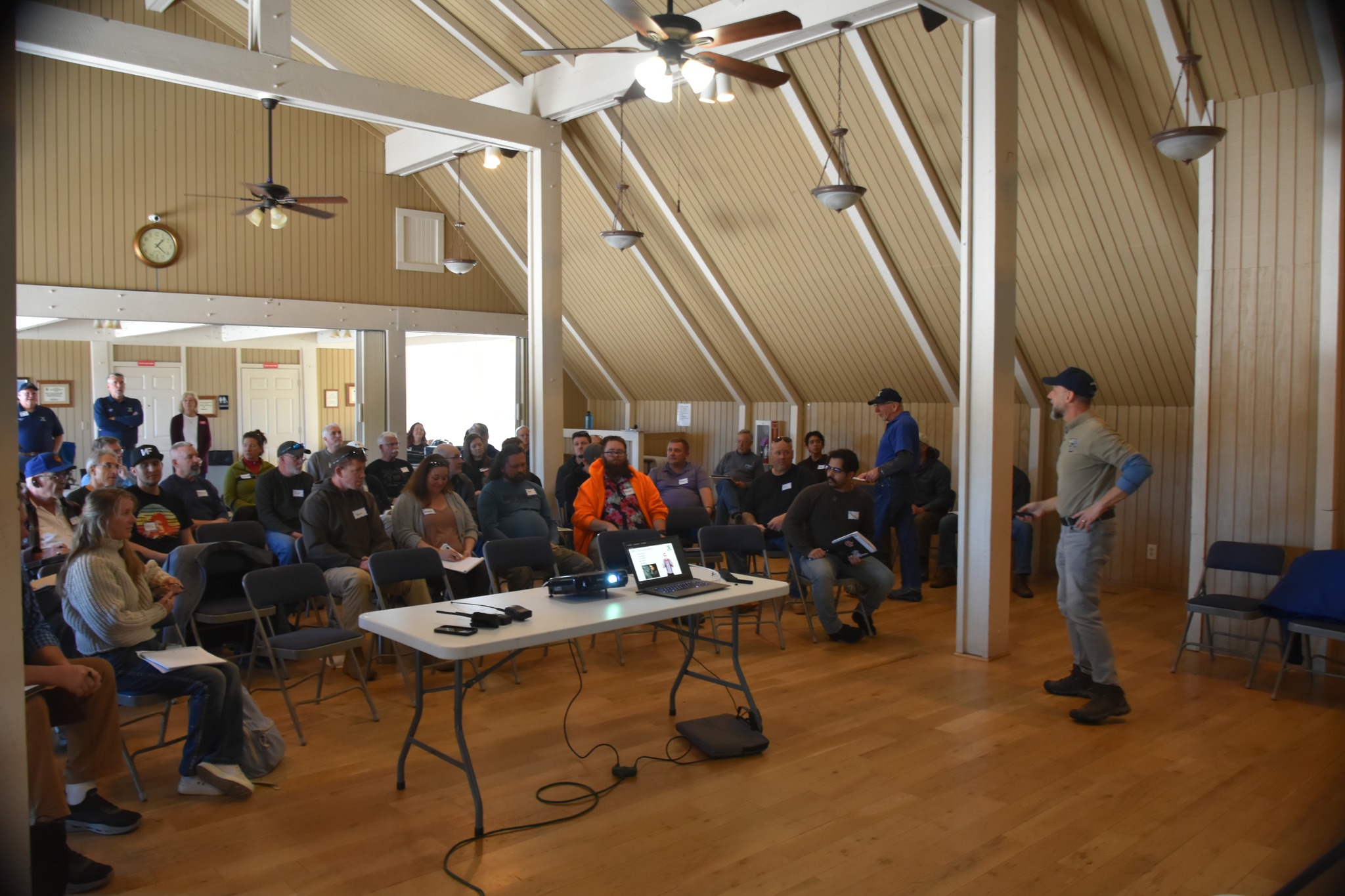
<p id="viewer-zk8hm12554" class="dUraF _0Jf6a Nv1gb uyB35" dir=""><span class="R-1EE">Kick-off Session - Includes personal introductions, a class overview, background information on ham radio and its uses, a variety of ham radio operational demonstrations, and establishment of student expectations.</span></p>
</li>
<li class="_0CfII" dir="auto" aria-level="1">
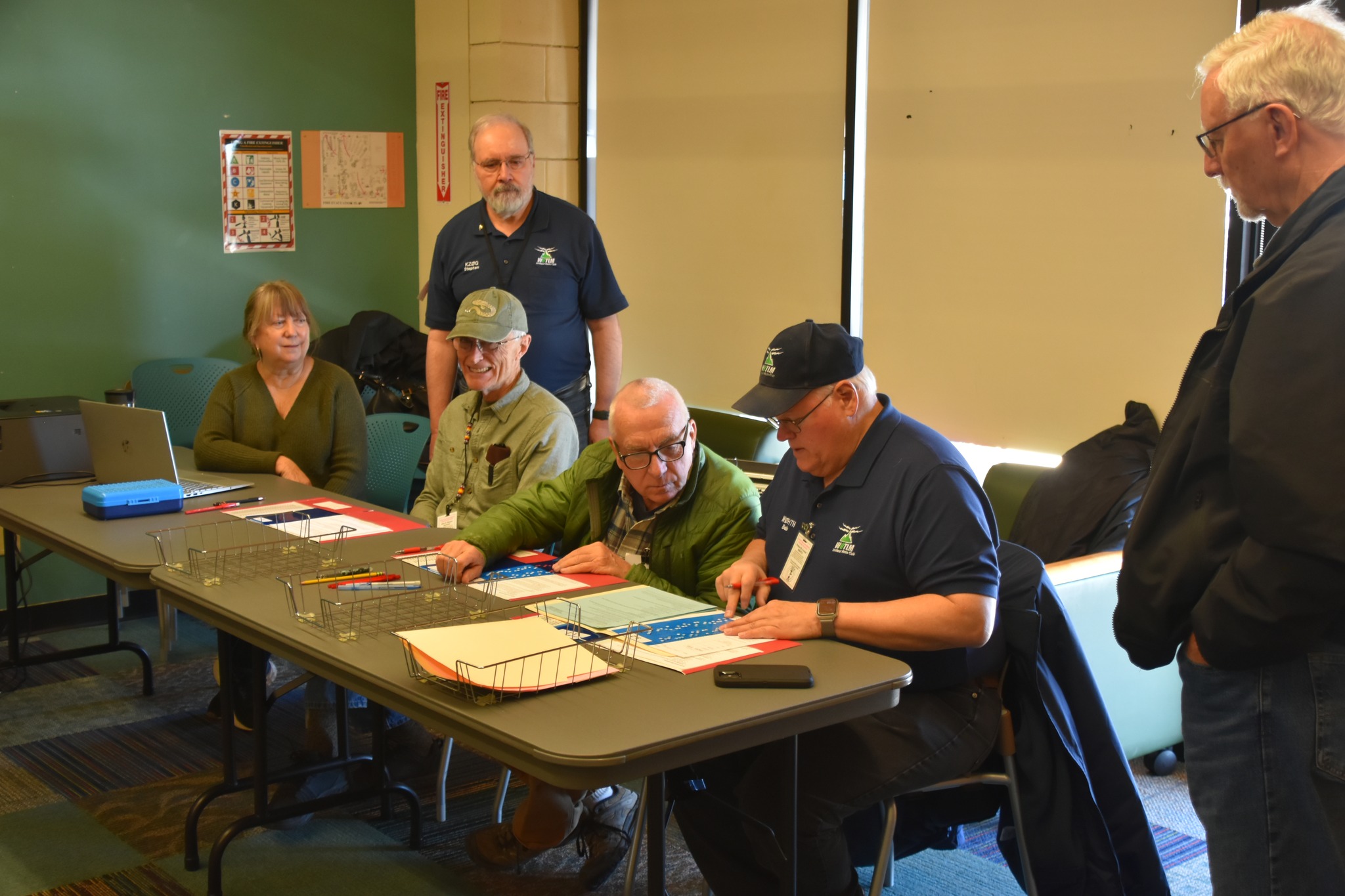
<p id="viewer-qhs7z15536" class="dUraF _0Jf6a Nv1gb uyB35" dir=""><span class="R-1EE">Dedicated Exam Session - An exam session with student seating priority held about one week after the expected completion of coursework.</span></p>
</li>
<li class="_0CfII" dir="auto" aria-level="1">
<p id="viewer-vgqfv19058" class="dUraF _0Jf6a Nv1gb uyB35" dir=""><span class="R-1EE">Get On The Air (GOTA) Session - Held about one week after the exam, students receive assistance programming HT radios and making their first on-air calls by simplex and repeater communications.</span></p>
</li>
</ol>
</div>
<div data-hook="rcv-block7"> </div>
<div data-breakout="normal">
<div id="viewer-wm9kq21436" class="dUraF _0Jf6a Nv1gb uyB35" dir="auto"><span class="R-1EE"><figure class="post__image post__image--center"><img loading="lazy"  src="https://www.hamradioschool.com/articles/media/posts/109//ke0hz-elmer.png" alt="" width="700" height="467" sizes="(min-width: 760px) 660px, calc(93.18vw - 30px)" srcset="https://www.hamradioschool.com/articles/media/posts/109//responsive/ke0hz-elmer-xs.png 320w ,https://www.hamradioschool.com/articles/media/posts/109//responsive/ke0hz-elmer-sm.png 480w ,https://www.hamradioschool.com/articles/media/posts/109//responsive/ke0hz-elmer-md.png 768w ,https://www.hamradioschool.com/articles/media/posts/109//responsive/ke0hz-elmer-xl.png 1024w"></figure></span></div>
</div>
<div data-breakout="normal">
<div id="viewer-yy0d740986" class="KzHAJ">
<div class="plqnX -HrEA">
<figure class="nP0oH" data-hook="figure-IMAGE">
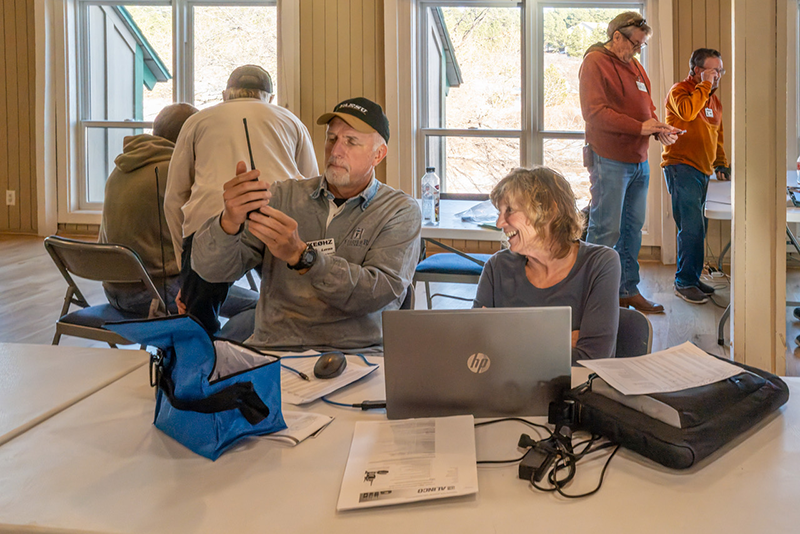
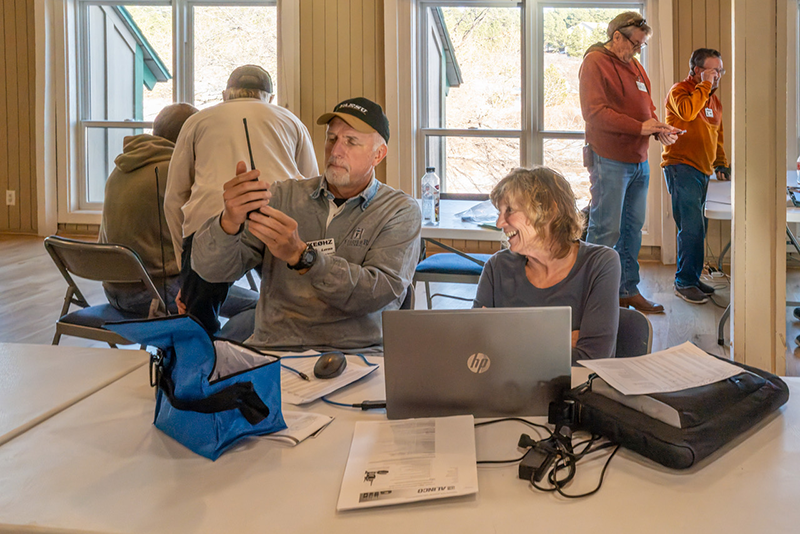
<figcaption class="MffKp">Elmer Loren KEØHZ checks the HT program installed by a student. -- photo by Dan Oldfield NØOLD</figcaption>
<div id="viewer-x3mw1578" class="KzHAJ">
<div class="qxEUA"> </div>
</div>
<div class="-VLS7 rArW0" data-hook="gap-spacer"><strong style="font-size: inherit;">The Elmer's Role: </strong><span style="font-size: inherit;"> Prior class survey feedback clearly indicates the importance of having an Elmer assigned to each student who can provide on-demand help and encouragement. The club assigns 3 to 4 students to each Elmer to keep the responsibility easily manageable and to help ensure that Elmers can get to know students well. Elmers and students agree to a regular check-in schedule and communication method at the class kick-off session. Elmers also make themselves available for answering questions as needed by the student. During regular check-ins, Elmers often inquire about things the student has learned in the assigned lessons for the week to get a conversation going and to gauge student comprehension. Many club Elmers also provide shack visits for their assigned students, broadening their exposure to ham radio equipment and station setup options. Many Elmers and students in this year's class offerings have become well acquainted and established longer term mentoring relationships. Clearly, the Elmer is a key component to a successful class offering.</span></div>
</figure>
</div>
</div>
</div>
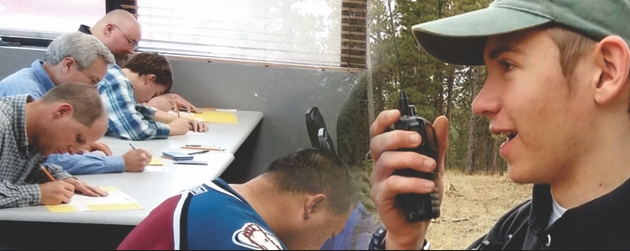
<div data-hook="rcv-block11"><strong style="font-size: inherit;">Tech + General in Parallel:</strong><span style="font-size: inherit;"> In this recent fall class offering, the club expanded the license class options beyond just a Technician License Class. Instead, the class offered students the option of adding General License study as well, utilizing the Ham Radio School online </span><em style="font-size: inherit;">General License Course</em><span style="font-size: inherit;">. The General License study option was available to students possessing no license or to students already possessing a Technician license. For the brand new student with no license, taking on both Technician and General content simultaneously was recommended only for those possessing a good technical background and who were comfortable with science and mathematics topics. To date, 5 of 35 students in the class have taken and passed both the Technician and General exams, while two additional students already possessing the Technician license upgraded to General.</span></div>
<div data-hook="rcv-block12"> </div>
<div data-breakout="normal">
<div id="viewer-d154r61371" class="dUraF _0Jf6a Nv1gb YXSPe" dir="auto"><span style="font-size: inherit;">For students seeking to go from </span><em style="font-size: inherit;">scratch</em><span style="font-size: inherit;"> to General, Ham Radio School provided a recommended combined lesson sequence blending the </span><em style="font-size: inherit;">Technician</em><span style="font-size: inherit;"> and </span><em style="font-size: inherit;">General License Courses'</em><span style="font-size: inherit;"> lessons. In this blended lesson sequence, the </span><em style="font-size: inherit;">Technician License Course</em><span style="font-size: inherit;"> lesson sequence is followed primarily, and </span><em style="font-size: inherit;">General License Course</em><span style="font-size: inherit;"> lessons are injected at appropriate points. This way, a student can study both Tech and General content together by topic, first covering the topic at the Technician level and then deepening their understanding with closely related General learning content. Student feedback on this experimental parallel course is pending, but the 100% pass rate for the students who have attempted it is a good early indicator that it worked well.</span></div>
</div>
<div data-breakout="normal">
<div id="viewer-4pk1l116090" class="KzHAJ">
<div class="plqnX -HrEA">
<figure class="nP0oH post__image post__image--center" data-hook="figure-IMAGE">
<div class="KzHAJ">
<div class="KzHAJ">
<div class="qxEUA"><img loading="lazy" src="https://www.hamradioschool.com/articles/media/posts/109//exam-barn.png" alt="" width="700" height="467" sizes="(min-width: 760px) 660px, calc(93.18vw - 30px)" srcset="https://www.hamradioschool.com/articles/media/posts/109//responsive/exam-barn-xs.png 320w ,https://www.hamradioschool.com/articles/media/posts/109//responsive/exam-barn-sm.png 480w ,https://www.hamradioschool.com/articles/media/posts/109//responsive/exam-barn-md.png 768w ,https://www.hamradioschool.com/articles/media/posts/109//responsive/exam-barn-xl.png 1024w"></div>
</div>
</div>
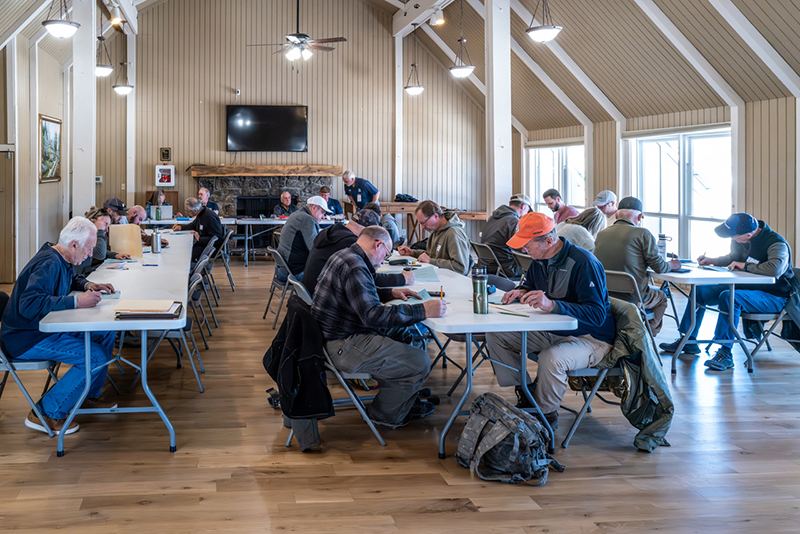
<figcaption class="MffKp">Class students take Technician and General exams at the dedicated VE session for the class. -- photo by Dan Oldfield NØOLD</figcaption>
<div id="viewer-0r1ak596" class="KzHAJ">
<div class="qxEUA"> </div>
</div>
<div class="-VLS7 rArW0" data-hook="gap-spacer"><strong style="font-size: inherit;">Tentative Conclusions:</strong><span style="font-size: inherit;"> Student survey feedback is still pending, and a handful of students who delayed taking the exam have yet to report their results. However, the perfect success achieved with 80% of the class reporting results so far is very encouraging. And, this includes 20% of the total class enrollment achieving the General License. We will update this report in a later blog piece once survey data and remaining exam results are collected.</span></div>
</figure>
</div>
</div>
</div>
<div data-hook="rcv-block19"><span style="font-size: inherit;">We are sharing this experience to encourage existing and potential license class instructors to consider this class structure. While it still takes a bit of work to provide students an exceptional license class experience, the Ham Radio School online courses vastly reduce the preparatory burden. It takes a big load off the instructors and provides much greater flexibility for the students. It allows the instructor team to focus on individual student needs and providing hands-on fun demonstrations and activities, improving student success rates. We hope you'll give it a try with your next class offering, and we're confident you will see the results with your students.</span></div>
<div data-hook="rcv-block21"> </div>
<div data-breakout="normal">
<p id="viewer-viewer-i5ssg11290" class="dUraF _0Jf6a Nv1gb YXSPe" dir="auto"><span class="R-1EE">If you are interested in offering a license class using the Ham Radio School online course approach, drop us a note and we'll be happy to help with your planning. </span></p>
</div>
<div data-hook="rcv-block22"> </div>
<div data-breakout="normal">
<div id="viewer-6yvdy115006" class="dUraF _0Jf6a Nv1gb YXSPe" dir="auto"><a target="_blank" href="mailto:info@hamradioschool.com" rel="noopener" class="CMc5N jZ8Yo" data-hook="web-link" style="font-size: inherit;"><u>info@hamradioschool.com</u></a></div>
</div>
            ]]>
        </content>
    </entry>
    <entry>
        <title>Working with Cosine in AC Power Calculations</title>
        <author>
            <name>Stu Turner, WØSTU</name>
        </author>
        <link href="https://www.hamradioschool.com/articles/working-with-cosine-in-ac-power-calculations.html"/>
        <id>https://www.hamradioschool.com/articles/working-with-cosine-in-ac-power-calculations.html</id>
        <media:content url="https://www.hamradioschool.com/articles/media/posts/113/circle-cosine-2.gif" medium="image" />

        <updated>2024-11-08T16:11:00-07:00</updated>
            <summary type="html">
                <![CDATA[
                        <img src="https://www.hamradioschool.com/articles/media/posts/113/circle-cosine-2.gif" alt="" />
                    When AC voltage and current waveforms are not in phase with one another, the power delivered to a circuit will&hellip;
                ]]>
            </summary>
        <content type="html">
            <![CDATA[
                    <p><img src="https://www.hamradioschool.com/articles/media/posts/113/circle-cosine-2.gif" class="type:primaryImage" alt="" /></p>
                <div data-breakout="normal">
<p id="viewer-foo" class="dUraF _0Jf6a Nv1gb YXSPe" dir="auto"><span class="R-1EE">When AC voltage and current waveforms are not in phase with one another, the power delivered to a circuit will be only a portion of the power computed by multiplying voltage (E) and current (I). The fraction of powered delivered to the circuit is determined by the phase angle between voltage and current waveforms. The delivered power is called the <em>real power.</em></span></p>
</div>
<div data-hook="rcv-block2"> </div>
<div data-hook="rcv-block2"><span style="font-size: inherit;">Real power is computed as:</span></div>
<div data-hook="rcv-block3"> </div>
<div data-breakout="normal">
<div id="viewer-9ar76" class="dUraF _0Jf6a Nv1gb YXSPe" dir="auto"><span style="font-size: inherit;">      P(real) = EI cos Θ</span></div>
</div>
<div data-hook="rcv-block5"> </div>
<div data-breakout="normal">
<div id="viewer-8f3sf" class="dUraF _0Jf6a Nv1gb YXSPe" dir="auto"><span style="font-size: inherit;">where Θ (theta) is the phase angle between voltage and current waveforms.</span></div>
</div>
<div data-hook="rcv-block7"> </div>
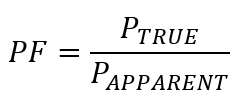
<div data-hook="rcv-block7"><span style="font-size: inherit;">The value of cos Θ will be between 0 and 1, and this fractional value is called the </span><em style="font-size: inherit;">power factor. </em><span style="font-size: inherit;">Power Factor (PF) = cos Θ.</span></div>
<div data-hook="rcv-block9"> </div>
<div data-breakout="normal">
<div id="viewer-a2ctt" class="dUraF _0Jf6a Nv1gb YXSPe" dir="auto"><span style="font-size: inherit;">To determine the real power, simply complete the multiplication of the three terms: voltage x current x cosine Θ. Voltage and current values are trivial, but let's see how to get a value for cosine Θ, or power factor, using a common scientific calculator.</span></div>
</div>
<div data-hook="rcv-block11"> </div>
<div data-breakout="normal">
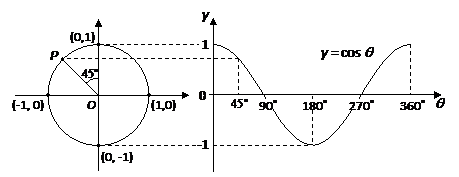
<div id="viewer-7ad3q" class="dUraF _0Jf6a Nv1gb YXSPe" dir="auto"><span style="font-size: inherit;">Mathematically, cosine values vary between -1 and 1 depending on the angle. Some cosine and angle values are:</span></div>
</div>
<div data-hook="rcv-block13"> </div>
<div data-hook="rcv-block13"><img loading="lazy" style="font-size: inherit;" draggable="false" src="https://static.wixstatic.com/media/b3b6fa_aa515e18efb54e91907066408f25e628~mv2.png/v1/fill/w_215,h_519,al_c,q_85,usm_0.66_1.00_0.01,enc_avif,quality_auto/b3b6fa_aa515e18efb54e91907066408f25e628~mv2.png" alt="" data-pin-url="https://www.hamradioschool.com/post/working-with-cosine-in-ac-power-calculations" data-pin-media="https://static.wixstatic.com/media/b3b6fa_aa515e18efb54e91907066408f25e628~mv2.png/v1/fill/w_347,h_836,al_c,lg_1,q_85/b3b6fa_aa515e18efb54e91907066408f25e628~mv2.png" data-ssr-src-done="true" data-load-done="" data-is-external-image="true"></div>
<div data-breakout="normal">
<div id="viewer-5s3f9" class="KzHAJ">
<div class="plqnX">
<figure class="nP0oH" data-hook="figure-IMAGE">
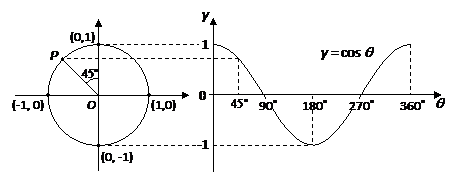
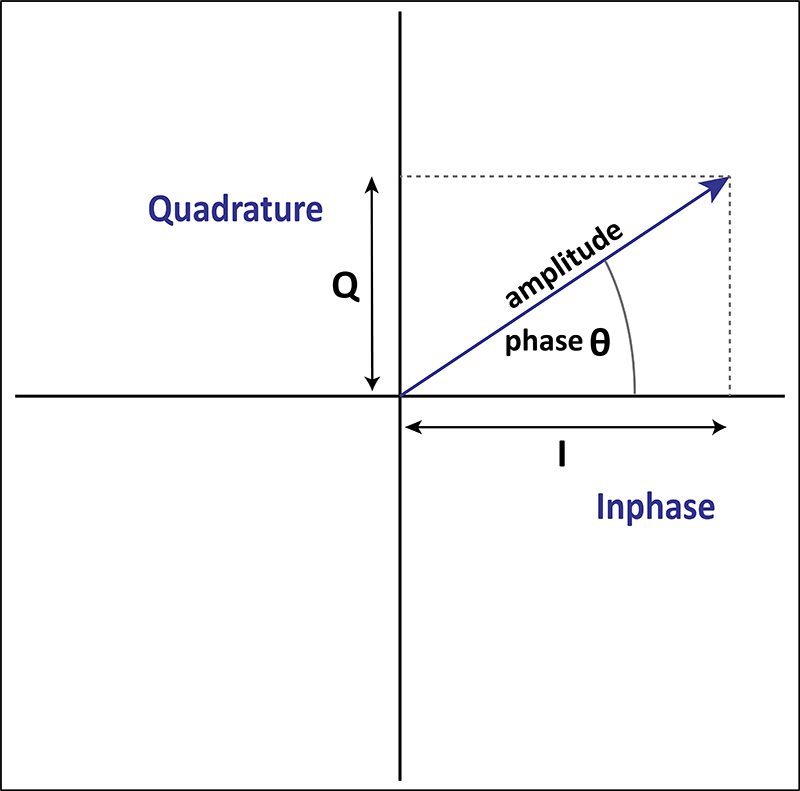
<div class="KDhmY" data-hook="image-viewer"><span style="font-size: inherit;">Notice the cyclical nature of the cosine values. They vary between -1 and 1 as the angle cycles through 360 degrees. The cosine function is determined by the vertical, or y axis value, of a point on a circle as the interior angle of the circle rotates about the 360-degrees of the circle, as illustrated in this graph:</span></div>
</figure>
</div>
</div>
</div>
<div data-hook="rcv-block15"><figure class="post__image post__image--center"><img loading="lazy"  src="https://www.hamradioschool.com/articles/media/posts/113//circle-cosine.gif" alt="" width="700" height="270"></figure></div>
<div data-breakout="normal">
<div id="viewer-6blv2" class="KzHAJ">
<div class="CsllU"> </div>
</div>
</div>
<div data-breakout="normal"> </div>
<div data-hook="rcv-block27"><span style="font-size: inherit;">Cosine values are easily obtained with a scientific calculator as follows:</span></div>
<div data-breakout="normal">
<ol class="zg1g9 Nv1gb">
<li class="_0CfII" dir="auto" aria-level="1">
<p id="viewer-b8g9m" class="dUraF _0Jf6a Nv1gb YXSPe" dir=""><span class="R-1EE">Make sure the calculator mode is set to <em>degrees. </em>(Not <em>radians.</em>)</span></p>
</li>
<li class="_0CfII" dir="auto" aria-level="1">
<p id="viewer-a0gib" class="dUraF _0Jf6a Nv1gb YXSPe" dir=""><span class="R-1EE">Enter the angle in degrees.</span></p>
</li>
<li class="_0CfII" dir="auto" aria-level="1">
<p id="viewer-9do2b" class="dUraF _0Jf6a Nv1gb YXSPe" dir=""><span class="R-1EE">Select the trigonometry function "cos" for <em>cosine.</em></span></p>
</li>
</ol>
</div>
<div data-hook="rcv-block29"> </div>
<div data-breakout="normal">
<p id="viewer-f7alc" class="dUraF _0Jf6a Nv1gb YXSPe" dir="auto"><span class="R-1EE">Suppose we want to compute the power factor for an RL circuit that produces a 45-degree phase angle between voltage and current. The following video illustrates calculation of cosine using a scientific calculator. Cosine 45 degrees = 0.707 (rounded). (PF = 0.707 for a 45-degree phase angle between E and I.)</span></p>
<figure class="post__video"><a href="https://www.hamradioschool.com/video/cosine-calc.mp4">Video Link</a><video loading="lazy" width="700" height="350" controls="controls" data-mce-fragment="1">
<source src="https://www.hamradioschool.com/video/cosine-calc.mp4" type="video/mp4" /></video></figure>
</div>
<div data-hook="rcv-block30"> </div>
<div data-breakout="normal">
<div id="viewer-90du1" class="dUraF _0Jf6a Nv1gb YXSPe" dir="auto"></div>
</div>
            ]]>
        </content>
    </entry>
    <entry>
        <title>Observations From a New Ham</title>
        <author>
            <name>Bob Witte, KØNR</name>
        </author>
        <link href="https://www.hamradioschool.com/articles/observations-from-a-new-ham.html"/>
        <id>https://www.hamradioschool.com/articles/observations-from-a-new-ham.html</id>
        <media:content url="https://www.hamradioschool.com/articles/media/posts/112/kt0liz-2.png" medium="image" />
            <category term="What&#x27;s New?"/>

        <updated>2024-10-25T12:53:00-06:00</updated>
            <summary type="html">
                <![CDATA[
                        <img src="https://www.hamradioschool.com/articles/media/posts/112/kt0liz-2.png" alt="" />
                    On reddit/amateurradio, a new ham shared these observations after being licensed for two months. At Ham Radio School, we are&hellip;
                ]]>
            </summary>
        <content type="html">
            <![CDATA[
                    <p><img src="https://www.hamradioschool.com/articles/media/posts/112/kt0liz-2.png" class="type:primaryImage" alt="" /></p>
                <div data-breakout="normal">
<p id="viewer-foo" class="wH46u FvsWF rcl0D SSmro" dir="auto"><span class="WhDDP">On <a target="_blank" href="https://www.reddit.com/r/amateurradio/comments/1g20nu2/observations_after_2_months_into_ham_or_what_i/?utm_source=share&amp;utm_medium=web3x&amp;utm_name=web3xcss&amp;utm_term=1&amp;utm_content=share_button" rel="noopener noreferrer" class="duSU- _89jf7" data-hook="web-link"><u>reddit/amateurradio</u></a>, a new ham shared these observations after being licensed for two months. At Ham Radio School, we are always looking for ways to help folks get started in ham radio. We think these are useful points and are sharing them here, along with some comments.</span></p>
</div>
<div data-hook="rcv-block1"> </div>
<div data-breakout="normal">
<div id="viewer-mhm8833019" class="wH46u FvsWF rcl0D SSmro" dir="auto"><span style="font-size: inherit;">Observations from a new ham:</span></div>
</div>
<div data-breakout="normal">
<ul class="eJ7iO rcl0D">
<li class="QlBGv" dir="auto" aria-level="1">
<p id="viewer-6epm7610" class="wH46u FvsWF rcl0D SSmro" dir=""><span class="WhDDP">Lots of information, [there is] no one complete source. There’s a bit of a fraternity aspect to this hobby, where you can’t really get all the even initial information you need in one summary somewhere. It’s part of the fun but can also be frustrating. You have to pay your dues in research and that’s expected but hams are generally helpful.</span></p>
</li>
</ul>
</div>
<div data-breakout="normal">
<p id="viewer-bza0n887" class="wH46u FvsWF rcl0D iIIH5" dir="auto"><span class="WhDDP" style="color: #236fa1;">HRS: Amateur radio has a wide range of interests and activities so it is difficult to cover it all. Here at Ham Radio School, many of <a target="_blank" href="https://www.hamradioschool.com/all-articles" rel="noopener noreferrer" class="duSU- _89jf7" data-hook="web-link" style="color: #236fa1;"><u>our articles</u></a> address questions that newcomers to the hobby have.</span></p>
</div>
<div data-hook="rcv-block8"> </div>
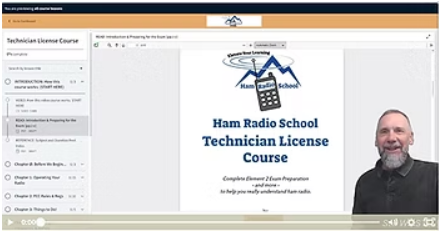
<div data-hook="rcv-block8"><span style="font-size: inherit; color: #236fa1;">Our online courses provide all the new ham needs to prepare for licensing. Following licensing, we recommend getting familiar with FM simplex and repeater operations using a handheld transceiver (HT) and/or mobile FM transceiver, each with dual-band function (2-meter and 70-centimeter bands).</span></div>
<div data-breakout="normal">
<div id="viewer-95hx5187" class="j3Tby">
<div class="_1XrQh Nl--h">
<figure class="k4d5f post__image post__image--center" data-hook="figure-IMAGE">
<div class="hqeKi" data-hook="image-viewer"> </div>
<div class="y3A-p GEDqb" data-hook="gap-spacer"><img loading="lazy" src="https://www.hamradioschool.com/articles/media/posts/112/HRS-online-course.png" alt="" width="439" height="231" sizes="(min-width: 760px) 660px, calc(93.18vw - 30px)" srcset="https://www.hamradioschool.com/articles/media/posts/112/responsive/HRS-online-course-xs.png 320w ,https://www.hamradioschool.com/articles/media/posts/112/responsive/HRS-online-course-sm.png 480w ,https://www.hamradioschool.com/articles/media/posts/112/responsive/HRS-online-course-md.png 768w ,https://www.hamradioschool.com/articles/media/posts/112/responsive/HRS-online-course-xl.png 1024w"></div>
<div class="j3Tby">
<div class="j3Tby">
<div class="vLwck"> </div>
</div>
</div>
<figcaption class="wCBOT">Ham Radio School online courses feature video lesson instruction explaining all exam question pool items.</figcaption>
<div id="viewer-x7bhr2113" class="j3Tby">
<div class="vLwck"> </div>
</div>
</figure>
</div>
</div>
</div>
<div data-breakout="normal">
<ul class="eJ7iO rcl0D">
<li class="QlBGv" dir="auto" aria-level="1">
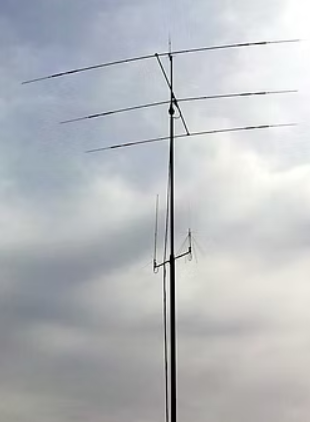
<p id="viewer-znu48613" class="wH46u FvsWF rcl0D SSmro" dir=""><span class="WhDDP">Antennas! The big barrier to entry is not the license test, the radio equipment, or even knowledge: it’s friggin’ antennas. They are hard for beginners to understand and hard to assemble without effort and unsightly effects at a house. V/UHF are easier and smaller; HF harder. New folks: start with V/UHF (e.g., N9TAX), then end-fed wire RECEPTION, then end-fed wire Tx (baluns, SWR, etc), then dipoles, etc.</span></p>
</li>
</ul>
</div>
<div data-hook="rcv-block11"> </div>
<div data-breakout="normal">
<div id="viewer-8n46v9638" class="wH46u FvsWF rcl0D DEAFW" dir="auto"><span style="color: #236fa1;"><span style="font-size: inherit;">HRS: That's very true, especially for HF antennas! VHF antennas are not usually that big of a barrier. Typically, VHF/UHF HT antennas and mobile antennas that may be magnetic or clip mounting on a vehicle are easy to install and ready to operate without operator adjustment. We have quite a collection of </span><a target="_blank" href="https://www.hamradioschool.com/search?q=antennas" rel="noopener noreferrer" class="duSU- _89jf7" data-hook="web-link" style="font-size: inherit; color: #236fa1;"><u>articles about antennas</u></a><span style="font-size: inherit;">. Also, keep in mind that antennas are a fun area to experiment with or 'home brew' at a reasonable cost.</span></span></div>
</div>
<div data-breakout="normal"> </div>
<div data-breakout="normal">
<div id="viewer-q4yub12232" class="j3Tby">
<div class="ef-c8">
<figure class="k4d5f post__image post__image--center" data-hook="figure-IMAGE">
<div class="y3A-p GEDqb" data-hook="gap-spacer"><img loading="lazy" src="https://www.hamradioschool.com/articles/media/posts/112/Yagi.png" alt="" width="310" height="422" sizes="(min-width: 760px) 660px, calc(93.18vw - 30px)" srcset="https://www.hamradioschool.com/articles/media/posts/112/responsive/Yagi-xs.png 320w ,https://www.hamradioschool.com/articles/media/posts/112/responsive/Yagi-sm.png 480w ,https://www.hamradioschool.com/articles/media/posts/112/responsive/Yagi-md.png 768w ,https://www.hamradioschool.com/articles/media/posts/112/responsive/Yagi-xl.png 1024w"></div>
<div class="j3Tby">
<div class="j3Tby">
<div class="vLwck"> </div>
</div>
</div>
<figcaption class="wCBOT">Antennas are a big topic, and often confusing for beginners. We help to clear up antenna topics, keeping things simple.</figcaption>
</figure>
</div>
</div>
</div>
<div data-breakout="normal">
<ul class="eJ7iO rcl0D">
<li class="QlBGv" dir="auto" aria-level="1">
<p id="viewer-514ug617" class="wH46u FvsWF rcl0D SSmro" dir=""><span class="WhDDP">There’s a lot less to listen to most of the time than expected (depending on location). Most V/UHF repeaters lay silent most of the time. You need to know specific times for “nets” (meetings), and that commute times are busiest. For HF, it’s very dependent on your antenna, of course. Start by listening to a local SDR on the web, then buy a cheap SDR box for your computer and hook up to an end-fed to experiment with the antenna at home in comparison.</span></p>

</li>
</ul>
</div>
<div data-breakout="normal">
<p id="viewer-y0r0y7358" class="wH46u FvsWF rcl0D iIIH5" dir="auto"><span class="WhDDP" style="color: #236fa1;">HRS: Many regions have plenty of repeaters to choose from, but they are often very quiet. Finding local nets is a great way to be sure there is activity at a particular time and frequency. This article has some ideas on finding repeaters: <a target="_blank" href="https://www.hamradioschool.com/post/how-to-choose-a-repeater" rel="noopener noreferrer" class="duSU- _89jf7" data-hook="web-link" style="color: #236fa1;"><u>How to Choose a Repeater.</u></a></span></p>
</div>
<div data-hook="rcv-block18"> </div>
<div data-breakout="normal">
<ul class="eJ7iO rcl0D">
<li class="QlBGv" dir="auto" aria-level="1">
<p id="viewer-1h8v521835" class="wH46u FvsWF rcl0D SSmro" dir=""><span class="WhDDP"><u>It</u> feels like there are lots of modes, but early on it feels like 3: voice/SSB, CW/morse, and a gazillion digital modes. I haven’t made it past voice yet.</span></p>
</li>
</ul>
</div>
<div data-breakout="normal">
<p id="viewer-x0y3m21887" class="wH46u FvsWF rcl0D iIIH5" dir="auto"><span class="WhDDP"><span style="color: #236fa1;">HRS: Another good point. Most new Technicians will start out using FM on the VHF/UHF bands. Until you've spent some time studying Morse Code, that mode won't be a viable option. SSB is the other most common voice mode, especially on the HF bands. This article provides an overview of all these modes:</span> <a target="_blank" href="https://www.hamradioschool.com/post/loads-of-modes" rel="noopener noreferrer" class="duSU- _89jf7" data-hook="web-link"><u>Loads of Modes.</u></a></span></p>
</div>
<div data-hook="rcv-block21"> </div>
<div data-breakout="normal">
<ul class="eJ7iO rcl0D">
<li class="QlBGv" dir="auto" aria-level="1">
<p id="viewer-upuor621" class="wH46u FvsWF rcl0D SSmro" dir=""><span class="WhDDP">Radios vary a lot, but the main factors are (a) power (100W for base stations, less for portable, 5W for handhelds/“HTs”); (b) size/portability; (c) digital modes supported; (d) frequency bands supported (all bands or just HF or just V/UHF); (e) user interface.</span></p>
</li>
</ul>
</div>
<div data-breakout="normal">
<p id="viewer-26ohg37268" class="wH46u FvsWF rcl0D iIIH5" dir="auto"><span class="WhDDP"><span style="color: #236fa1;">HRS: These are more good observations, but Ham Radio School would approach the topic in a different order. The typical handheld transceiver (HT) is often a good first radio because it provides some useful capability at a low cost (&lt;$100). It also lines up well with the VHF/UHF privileges of the Technician license. Even if you have your eyes on more advanced ham operating, having an HT available is a good thing. This article discusses some other radio form factors and band configurations:</span> <a target="_blank" href="https://www.hamradioschool.com/post/what-are-the-different-kinds-of-ham-radios" rel="noopener noreferrer" class="duSU- _89jf7" data-hook="web-link"><u>What Are the Different Kinds of Ham Radios?</u></a></span></p>
</div>
<div data-hook="rcv-block24"> </div>
<div data-breakout="normal">
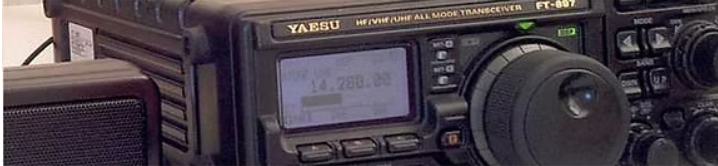
<div id="viewer-fsip225391" class="wH46u FvsWF rcl0D SSmro" dir="auto"><figure class="post__image post__image--center"><img loading="lazy"  src="https://www.hamradioschool.com/articles/media/posts/112/FT-897D.png" alt="" width="718" height="166" sizes="(min-width: 760px) 660px, calc(93.18vw - 30px)" srcset="https://www.hamradioschool.com/articles/media/posts/112/responsive/FT-897D-xs.png 320w ,https://www.hamradioschool.com/articles/media/posts/112/responsive/FT-897D-sm.png 480w ,https://www.hamradioschool.com/articles/media/posts/112/responsive/FT-897D-md.png 768w ,https://www.hamradioschool.com/articles/media/posts/112/responsive/FT-897D-xl.png 1024w"></figure></div>
</div>
<div data-breakout="normal">
<div id="viewer-jas5c25390" class="j3Tby">
<div class="_1XrQh">
<figure class="k4d5f" data-hook="figure-IMAGE">
<figcaption class="wCBOT">Handhelds, mobiles, and base stations are the three basic types of ham radios, each with unique features and capabilities that we help you understand.</figcaption>
<div id="viewer-mrfal2132" class="j3Tby">
<div class="vLwck"> </div>
</div>
</figure>
</div>
</div>
</div>
<div data-breakout="normal">
<ul class="eJ7iO rcl0D">
<li class="QlBGv" dir="auto" aria-level="1">
<p id="viewer-1z7r7623" class="wH46u FvsWF rcl0D SSmro" dir=""><span class="WhDDP">Hobby is very heavily male, heavily older, skews higher IQ. Generalizations, and just my observations.</span></p>
</li>
</ul>
</div>
<div data-breakout="normal">
<p id="viewer-van9520598" class="wH46u FvsWF rcl0D iIIH5" dir="auto"><span class="WhDDP" style="color: #236fa1;">HRS: The available data supports this observation. It is generally a good group of folks, although you can run into the occasional grumpy old dude who is wound a bit too tight. Being a technical hobby, you will encounter many people with a wide range of knowledge and skills, many of them are topic experts.</span></p>
</div>
<div data-breakout="normal"> </div>
<div data-breakout="normal">
<div id="viewer-okykq39506" class="j3Tby">
<div class="JYLEU">
<figure class="k4d5f post__image post__image--center" data-hook="figure-IMAGE">
<div class="y3A-p GEDqb" data-hook="gap-spacer"><img loading="lazy" src="https://www.hamradioschool.com/articles/media/posts/112/kt0liz.png" alt="" width="247" height="421" sizes="(min-width: 760px) 660px, calc(93.18vw - 30px)" srcset="https://www.hamradioschool.com/articles/media/posts/112/responsive/kt0liz-xs.png 320w ,https://www.hamradioschool.com/articles/media/posts/112/responsive/kt0liz-sm.png 480w ,https://www.hamradioschool.com/articles/media/posts/112/responsive/kt0liz-md.png 768w ,https://www.hamradioschool.com/articles/media/posts/112/responsive/kt0liz-xl.png 1024w"></div>
<div class="j3Tby">
<div class="j3Tby">
<div class="vLwck"> </div>
</div>
</div>
<figcaption class="wCBOT">Ham radio is an endeavor for everyone! And it's easy to earn a license with just a little study.</figcaption>
<div id="viewer-7gmd62136" class="j3Tby">
<div class="vLwck"> </div>
</div>
</figure>
</div>
</div>
</div>
<div data-breakout="normal">
<ul class="eJ7iO rcl0D">
<li class="QlBGv" dir="auto" aria-level="1">
<p id="viewer-tck49625" class="wH46u FvsWF rcl0D SSmro" dir=""><span class="WhDDP">Need a General license to really explore HF. Self-evident by frequency access, but as a new person it’s not entirely clear. There are two worlds in ham radio: V/UHF and HF, roughly corresponding to local vs distant (DX) comms. </span></p>
</li>
</ul>
</div>
<div data-hook="rcv-block32"> </div>
<div data-hook="rcv-block32"><span style="color: #236fa1;"><span style="font-size: inherit;">HRS: This is very true. The Technician license lets you get a taste of HF operating, primarily using SSB on the 10-meter band. Right now, we are at the peak of the sunspot cycle, so 10-meter propagation is excellent during the day. Technician license holders may communicate around the globe using the 10-meter band.</span><a target="_blank" href="http://day.to/" rel="noopener" class="duSU- _89jf7" data-hook="web-link" style="font-size: inherit; color: #236fa1;"> To</a><span style="font-size: inherit;"> gain access to the other HF bands, you'll need to upgrade to General. This article explains it all: </span></span><a target="_blank" href="https://www.hamradioschool.com/post/tech-general-or-extra-license-what-s-the-difference" rel="noopener noreferrer" class="duSU- _89jf7" data-hook="web-link" style="font-size: inherit;"><u>Tech, General, or Extra License... What's the difference?</u></a></div>
<div data-hook="rcv-block33"> </div>
<div data-breakout="normal">
<ul class="eJ7iO rcl0D">
<li class="QlBGv" dir="auto" aria-level="1">
<p id="viewer-5zzkt627" class="wH46u FvsWF rcl0D SSmro" dir=""><span class="WhDDP">Hams are pretty tolerant of new-person ignorance/mistakes. Just don’t transmit on a frequency you’re not licensed for, that’s not forgiven easily (and is illegal generally). And don’t get into the “emergency use” debate!</span></p>
</li>
</ul>
</div>
<div data-breakout="normal">
<p id="viewer-bdoe648028" class="wH46u FvsWF rcl0D iIIH5" dir="auto"><span class="WhDDP" style="color: #236fa1;">HRS: Most hams are understanding if you make an honest mistake. They've been there themselves and even experienced hams will screw up from time to time. The important thing is to have an attitude of trying to do things right and learn from your mistakes.</span></p>
</div>
<div data-breakout="normal">
<ul class="eJ7iO rcl0D">
<li class="QlBGv" dir="auto" aria-level="1">
<p id="viewer-3clg7629" class="wH46u FvsWF rcl0D SSmro" dir=""><span class="WhDDP">The hobby is more fun if you think of it as a journey vs arriving at a destination. Learning is continuous, it seems.</span></p>
</li>
</ul>
</div>
<div data-breakout="normal">
<p id="viewer-h4haz11655" class="wH46u FvsWF rcl0D iIIH5" dir="auto"><span class="WhDDP" style="color: #236fa1;">HRS: Absolutely! It would be boring if you just learned it all in a few weeks and were "done." There are many things to learn, and it's all fun. The typical ham learns significantly across the preparation for Technician to General to Extra license, but there is a ton to learn beyond the fundamentals covered in the exam topics. </span></p>
</div>
<div data-hook="rcv-block39"> </div>
<div data-hook="rcv-block39"><span style="color: #236fa1; font-size: inherit;">Most hams will engage in life-long learning through hands-on operations, observations, affiliation with other knowledgeable hams, conducting online research, and just trying new things. There are so many facets to ham radio, "the hobby of a thousand hobbies," and technological development is </span><u style="color: #236fa1; font-size: inherit;">continuous.</u><a target="_blank" href="http://continuous.it/" rel="noopener" class="duSU- _89jf7" data-hook="web-link" style="color: #236fa1;"> </a><a target="_blank" href="http://continuous.it/" rel="noopener" class="duSU- _89jf7" data-hook="web-link" style="color: #236fa1;"><u>It</u></a><span style="color: #236fa1; font-size: inherit;"> is virtually impossible to become an expert in every aspect of ham radio.</span></div>
<div data-breakout="normal">
<ul class="eJ7iO rcl0D">
<li class="QlBGv" dir="auto" aria-level="1">
<p id="viewer-zbml4631" class="wH46u FvsWF rcl0D SSmro" dir=""><span class="WhDDP">Don’t be afraid to transmit (legally). The hobby is more about short conversations with a lot of different people than long conversations with a few. Or just learning. There are LOTS of nooks and crannies to the hobby. Likely you can find one you like. It takes time.</span></p>
</li>
</ul>
</div>
<div data-breakout="normal">
<p id="viewer-blifi22189" class="wH46u FvsWF rcl0D iIIH5" dir="auto"><span class="WhDDP" style="color: #236fa1;">HRS: And we will add, try some things and "get on the air."</span></p>
</div>
<div data-hook="rcv-block43"> </div>
<div data-breakout="normal">
<div id="viewer-91hyz27687" class="wH46u FvsWF rcl0D iIIH5" dir="auto"><span style="font-size: inherit;">That completes the list of observations from a new ham. For other tips on getting started with ham radio, take a look at these articles: </span><a target="_blank" href="https://www.hamradioschool.com/post/five-common-mistakes-new-hams-make" rel="noopener noreferrer" class="duSU- _89jf7" data-hook="web-link" style="font-size: inherit;"><u>Five Common Mistakes New Hams Make </u></a><span style="font-size: inherit;">and </span><a target="_blank" href="https://www.hamradioschool.com/post/i-got-my-license-now-what" rel="noopener noreferrer" class="duSU- _89jf7" data-hook="web-link" style="font-size: inherit;"><u>I Got My License! Now What?</u></a></div>
</div>
<div data-hook="rcv-block46"> </div>
<div data-breakout="normal">
<div id="viewer-0r3zj633" class="wH46u FvsWF rcl0D SSmro" dir="auto"><span style="font-size: inherit;">If you are ready to earn your Technician license and get started in the world of ham radio, or if you are ready to take the next step and upgrade to General or Extra, Ham Radio School is here to help. Check out our license preparation courses: </span><a target="_blank" href="https://www.hamradioschool.com/technician-prep" rel="noopener noreferrer" class="duSU- _89jf7" data-hook="web-link" style="font-size: inherit;"><u>Technician</u></a><span style="font-size: inherit;"> </span><a target="_blank" href="https://www.hamradioschool.com/general-prep" rel="noopener noreferrer" class="duSU- _89jf7" data-hook="web-link" style="font-size: inherit;"><u>General</u></a><span style="font-size: inherit;"> </span><a target="_blank" href="https://www.hamradioschool.com/extra-prep" rel="noopener noreferrer" class="duSU- _89jf7" data-hook="web-link" style="font-size: inherit;"><u>Extra</u></a></div>
</div>
<div data-hook="rcv-block49"> </div>
<div data-hook="rcv-block49"><span style="font-size: inherit;">We offer personalized email support with every course subscription so that you can get your questions answered. Our online courses offer multiple ways to learn and prepare for the license exam. Every lesson features a book section reading, a video lecture, a review of exam content, an interactive quiz, and depth options for learning 'beyond the exam.' Each course also provides practice exams to test your readiness for the real exam, as well as pointers for finding exam sessions in person or online.</span></div>
<div data-hook="rcv-block50"> </div>
<div data-breakout="normal">
<div id="viewer-fungh144399" class="wH46u FvsWF rcl0D SSmro" dir="auto"><span style="font-size: inherit;">You can do it! Get your license or upgrade started today.</span></div>
</div>
            ]]>
        </content>
    </entry>
    <entry>
        <title>Using Elmers For High Impact</title>
        <author>
            <name>Bob Witte, KØNR</name>
        </author>
        <link href="https://www.hamradioschool.com/articles/using-elmers-for-high-impact.html"/>
        <id>https://www.hamradioschool.com/articles/using-elmers-for-high-impact.html</id>
        <media:content url="https://www.hamradioschool.com/articles/media/posts/110/w0stu-elmer-2.jpg" medium="image" />

        <updated>2024-06-14T12:28:00-06:00</updated>
            <summary type="html">
                <![CDATA[
                        <img src="https://www.hamradioschool.com/articles/media/posts/110/w0stu-elmer-2.jpg" alt="" />
                    In this post Online License Course Provides New Teaching Options, I described how we modified our approach to teaching the&hellip;
                ]]>
            </summary>
        <content type="html">
            <![CDATA[
                    <p><img src="https://www.hamradioschool.com/articles/media/posts/110/w0stu-elmer-2.jpg" class="type:primaryImage" alt="" /></p>
                <div data-breakout="normal">
<p id="viewer-foo" class="wH46u FvsWF rcl0D SSmro" dir="auto"><span class="WhDDP">In this post <a target="_blank" href="https://www.hamradioschool.com/post/online-license-course-provides-new-teaching-options" rel="noopener noreferrer" class="duSU- _89jf7" data-hook="web-link"><u>Online License Course Provides New Teaching Options</u></a><u>,</u> I described how we modified our approach to teaching the Technician License Class to include the Ham Radio School online training.</span></p>
</div>
<div data-hook="rcv-block1"> </div>
<div data-breakout="normal">
<div id="viewer-9uxp334304" class="wH46u FvsWF rcl0D SSmro" dir="auto"><span class="WhDDP"><figure class="post__image post__image--center"><img loading="lazy"  src="https://www.hamradioschool.com/articles/media/posts/110/w0stu-elmer.jpg" alt="" width="600" height="387" sizes="(min-width: 760px) 660px, calc(93.18vw - 30px)" srcset="https://www.hamradioschool.com/articles/media/posts/110/responsive/w0stu-elmer-xs.jpg 320w ,https://www.hamradioschool.com/articles/media/posts/110/responsive/w0stu-elmer-sm.jpg 480w ,https://www.hamradioschool.com/articles/media/posts/110/responsive/w0stu-elmer-md.jpg 768w ,https://www.hamradioschool.com/articles/media/posts/110/responsive/w0stu-elmer-xl.jpg 1024w"></figure></span></div>
</div>
<div data-breakout="normal">
<div id="viewer-jq0xv34303" class="j3Tby">
<div class="_1XrQh _4OBlC">
<figure class="k4d5f" data-hook="figure-IMAGE">
<figcaption class="wCBOT">A new ham receives some helpful advice from an Elmer.</figcaption>
<div id="viewer-jq0xv34303-caption" class="j3Tby">
<div> </div>
<div class="vLwck"><span style="font-size: inherit;">One of the things we did was to assign an Elmer (Mentor or Coach) from our club to tag up with each student. Honestly, we stumbled into this idea and were surprised how well it worked. We often had people express interest in "helping with the license class", which we interpreted as letting them teach a specific section of the course. Not everyone is well-equipped to teach the material, so this potential help often was not used. Then someone suggested that interested members could play an Elmer role for the students, providing a more personal connection and individualized help. This was a great idea, especially as the class size grew to 40 students.</span></div>
</div>
</figure>
</div>
</div>
</div>
<div data-hook="rcv-block5"><span style="font-size: inherit;">This turned out to be very successful and we consider it a new best practice for our radio club license classes. Each Elmer was assigned 3 or 4 students, and the Elmers provided rapid Q&amp;A response to students in between review sessions. Many Elmers also provided students with additional demonstrations of their shacks and equipment recommendations.</span></div>
<div data-hook="rcv-block7"> </div>
<div data-hook="rcv-block7"><span style="color: #02192b; font-family: -apple-system, BlinkMacSystemFont, 'Segoe UI', Roboto, Oxygen, Ubuntu, Cantarell, 'Fira Sans', 'Droid Sans', 'Helvetica Neue', sans-serif; font-size: 1.26562em; font-weight: bold; letter-spacing: -0.54px;">Elmer Role:</span></div>
<div data-hook="rcv-block8"><span style="font-size: inherit;">• A terrific representative of our radio club.</span></div>
<div data-hook="rcv-block9"><span style="font-size: inherit;">• A mentor and tutor to your students, as needed.</span></div>
<div data-hook="rcv-block10"><span style="font-size: inherit;">• A monitor of your students’ progress.</span></div>
<div data-hook="rcv-block11"><span style="font-size: inherit;">• An encourager, providing reassurance and confidence in their ability to succeed.</span></div>
<div data-hook="rcv-block12"><span style="font-size: inherit;">• An advocate for participation in our radio club.</span></div>
<div data-hook="rcv-block13"> </div>
<div data-breakout="normal">
<div id="viewer-iovym1658" class="wH46u FvsWF rcl0D SSmro" dir="auto"><span style="color: #02192b; font-family: -apple-system, BlinkMacSystemFont, 'Segoe UI', Roboto, Oxygen, Ubuntu, Cantarell, 'Fira Sans', 'Droid Sans', 'Helvetica Neue', sans-serif; font-size: 1.26562em; font-weight: bold; letter-spacing: -0.54px;">Elmer Responsibilities:</span></div>
</div>
<div data-hook="rcv-block15"><span style="font-size: inherit;">• Be sure you establish communication methods with your students.</span></div>
<div data-hook="rcv-block16"><span style="font-size: inherit;">• Get to know your students a little, be a resource for them.</span></div>
<div data-hook="rcv-block17"><span style="font-size: inherit;">• Don’t talk over their heads. Get to their beginner level with your comments and </span><span style="font-size: inherit;">explanations. Look for comprehension, and offer ample opportunity to take different </span><span style="font-size: inherit;">approaches.</span></div>
<div data-hook="rcv-block20"><span style="font-size: inherit;">• In check-ins, ask them what they’ve learned from a lesson to get them talking about the </span><span style="font-size: inherit;">content. Try to tie it to practical use, where feasible.</span></div>
<div data-hook="rcv-block22"><span style="font-size: inherit;">• Don’t be afraid to say, “I don’t know, but I’ll find out for you.”</span></div>
<div data-hook="rcv-block23"><span style="font-size: inherit;">• Understand their operating needs and help them understand appropriate gear options.</span></div>
<div data-hook="rcv-block24"> </div>
<div data-breakout="normal">
<div id="viewer-48cwm359" class="wH46u FvsWF rcl0D SSmro" dir="auto"><span style="font-size: inherit;">The Elmers were present at our Kick-off session to meet and engage with the students. Then, they did a periodic check-in with the students using whatever method they and the students agreed on (phone, text, Zoom or in-person). The main mission is to help keep the students on track with the course.</span></div>
</div>
<div data-hook="rcv-block26"> </div>
<div data-breakout="normal">
<div id="viewer-0pd0161220" class="wH46u FvsWF rcl0D SSmro" dir="auto"><span style="font-size: inherit;">Our follow-up survey with the students shows that Elmer Help scored high with most students.</span></div>
</div>
<div data-breakout="normal">
<div id="viewer-w94hs1429" class="j3Tby">
<div class="_1XrQh _4OBlC">
<figure class="k4d5f post__image post__image--center" data-hook="figure-IMAGE">
<div class="j3Tby">
<div class="j3Tby">
<div class="vLwck"><img loading="lazy" src="https://www.hamradioschool.com/articles/media/posts/110/survey-results.png" alt="" width="700" height="309" sizes="(min-width: 760px) 660px, calc(93.18vw - 30px)" srcset="https://www.hamradioschool.com/articles/media/posts/110/responsive/survey-results-xs.png 320w ,https://www.hamradioschool.com/articles/media/posts/110/responsive/survey-results-sm.png 480w ,https://www.hamradioschool.com/articles/media/posts/110/responsive/survey-results-md.png 768w ,https://www.hamradioschool.com/articles/media/posts/110/responsive/survey-results-xl.png 1024w"></div>
</div>
</div>
<figcaption class="wCBOT">Student survey results show high scores for the Elmers.</figcaption>
<div id="viewer-w94hs1429-caption" class="j3Tby">
<div class="align-left"> </div>
<div class="vLwck align-left"><span style="font-size: inherit;">The Elmers reported that they enjoyed the experience, feeling like they contributed to the license class effort and learning some things in the process. We did hear from them that we probably scheduled too many Elmer check-ins with the students, so next time we will back that down a bit.</span></div>
</div>
</figure>
</div>
</div>
</div>
<div data-hook="rcv-block31"><span style="font-size: inherit;">In summary, this turned out to be a great way to engage the students, connect them with one of our club members and provide a way for more of our members to contribute to the license class. This license class involved more of our club members, increasing their participation in this club activity while also improving the interaction between members.</span></div>
<div data-hook="rcv-block32"> </div>
<div data-breakout="normal">
<div id="viewer-kydz91349" class="wH46u FvsWF rcl0D SSmro" dir="auto"></div>
</div>
            ]]>
        </content>
    </entry>
    <entry>
        <title>Online License Course Provides New Teaching Options</title>
        <author>
            <name>Bob Witte, KØNR</name>
        </author>
        <link href="https://www.hamradioschool.com/articles/online-license-course-provides-new-teaching-options.html"/>
        <id>https://www.hamradioschool.com/articles/online-license-course-provides-new-teaching-options.html</id>
        <media:content url="https://www.hamradioschool.com/articles/media/posts/111/survey-results-1-2.png" medium="image" />
            <category term="What&#x27;s New?"/>

        <updated>2024-05-26T12:37:00-06:00</updated>
            <summary type="html">
                <![CDATA[
                        <img src="https://www.hamradioschool.com/articles/media/posts/111/survey-results-1-2.png" alt="" />
                    Our most recent Technician license class for the Tri-Lakes Monument Radio Association made use of the Ham Radio School online&hellip;
                ]]>
            </summary>
        <content type="html">
            <![CDATA[
                    <p><img src="https://www.hamradioschool.com/articles/media/posts/111/survey-results-1-2.png" class="type:primaryImage" alt="" /></p>
                <div data-breakout="normal">
<p id="viewer-foo" class="wH46u FvsWF rcl0D SSmro" dir="auto"><span class="WhDDP">Our most recent Technician license class for the <a target="_blank" href="https://w0tlm.com/" rel="noopener noreferrer" class="duSU- _89jf7" data-hook="web-link"><u>Tri-Lakes Monument Radio Association</u></a> made use of the <a target="_blank" href="https://courses.hamradioschool.com/" rel="noopener noreferrer" class="duSU- _89jf7" data-hook="web-link"><u>Ham Radio School online course</u></a>. We were looking for a way to provide the students additional flexibility in consuming the course content while reducing the load on the instructor team. Our club places a high value on in-person interaction with the students which has many benefits, so we did not want to use a completely online approach.</span></p>
</div>
<div data-hook="rcv-block1"> </div>
<div data-breakout="normal">
<div id="viewer-n498521566" class="wH46u FvsWF rcl0D SSmro" dir="auto"><span class="WhDDP"><figure class="post__image post__image--center"><img loading="lazy"  src="https://www.hamradioschool.com/articles/media/posts/111//kickoff-session.jpg" alt="" width="600" height="400" sizes="(min-width: 760px) 660px, calc(93.18vw - 30px)" srcset="https://www.hamradioschool.com/articles/media/posts/111//responsive/kickoff-session-xs.jpg 320w ,https://www.hamradioschool.com/articles/media/posts/111//responsive/kickoff-session-sm.jpg 480w ,https://www.hamradioschool.com/articles/media/posts/111//responsive/kickoff-session-md.jpg 768w ,https://www.hamradioschool.com/articles/media/posts/111//responsive/kickoff-session-xl.jpg 1024w"></figure></span></div>
</div>
<div data-breakout="normal">
<div id="viewer-c3bz821565" class="j3Tby">
<div class="_1XrQh _4OBlC">
<figure class="k4d5f" data-hook="figure-IMAGE">
<figcaption class="wCBOT">The class Kick-off session was in-person with over 40 students attending.</figcaption>
<div id="viewer-c3bz821565-caption" class="j3Tby">
<div class="vLwck"> </div>
</div>
</figure>
</div>
</div>
</div>
<div data-hook="rcv-block4"><span style="font-size: inherit;">We settled on a hybrid approach to the class that had </span><strong style="font-size: inherit;">three in-person sessions. </strong><span style="font-size: inherit;">For more details on the timing of these sessions, take a look at the flyer at the end of this article.</span></div>
<div data-hook="rcv-block5"> </div>
<div data-breakout="normal">
<div id="viewer-1p47k65812" class="wH46u FvsWF rcl0D SSmro" dir="auto"><span style="color: #02192b; font-family: -apple-system, BlinkMacSystemFont, 'Segoe UI', Roboto, Oxygen, Ubuntu, Cantarell, 'Fira Sans', 'Droid Sans', 'Helvetica Neue', sans-serif; font-size: 1.26562em; font-weight: bold; letter-spacing: -0.54px;">Kick-off session</span></div>
</div>
<div data-hook="rcv-block11"> </div>
<div data-hook="rcv-block11"><span style="font-size: inherit;">We started off with the Kick-Off session that introduced the instructor team and helped us get to know the students. We provided an overview of the course and demonstrated ham radio gear (handheld radios, HF contacts, repeater use, digital modes, etc.). We also reinforced expectations of student progress and engagement. After the Kick-off session, we launched the students on individual study via the Ham Radio School online class.</span></div>
<div data-breakout="normal">
<h4 id="viewer-jpwk17234" class="_7VwFL aDjTG rcl0D SSmro" dir="auto" tabindex="-1"><span id="exam-session-jpwk1723" aria-hidden="true"></span><span class="mHxYK">Exam session</span></h4>
</div>
<div data-breakout="normal">
<p id="viewer-le1et7446" class="wH46u FvsWF rcl0D SSmro" dir="auto"><span class="WhDDP">Our club's VE team administered the FCC exam three weeks after the kick-off session. A key idea here is to have the students progress through the material at the same pace and get to the exam without making the class too long.</span></p>
</div>
<div data-hook="rcv-block15"> </div>
<div data-breakout="normal">
<div id="viewer-k0n8v22817" class="wH46u FvsWF rcl0D SSmro" dir="auto"><span class="WhDDP"><figure class="post__image post__image--center"><img loading="lazy"  src="https://www.hamradioschool.com/articles/media/posts/111//vd-team.jpg" alt="" width="600" height="400" sizes="(min-width: 760px) 660px, calc(93.18vw - 30px)" srcset="https://www.hamradioschool.com/articles/media/posts/111//responsive/vd-team-xs.jpg 320w ,https://www.hamradioschool.com/articles/media/posts/111//responsive/vd-team-sm.jpg 480w ,https://www.hamradioschool.com/articles/media/posts/111//responsive/vd-team-md.jpg 768w ,https://www.hamradioschool.com/articles/media/posts/111//responsive/vd-team-xl.jpg 1024w"></figure></span></div>
</div>
<div data-breakout="normal">
<div id="viewer-64etc22816" class="j3Tby">
<div class="_1XrQh _4OBlC">
<figure class="k4d5f" data-hook="figure-IMAGE">
<figcaption class="wCBOT">The VE team at work grading exams during the exam session.</figcaption>
<div id="viewer-64etc22816-caption" class="j3Tby">
<div> </div>
<div class="vLwck"><span style="color: #02192b; font-family: -apple-system, BlinkMacSystemFont, 'Segoe UI', Roboto, Oxygen, Ubuntu, Cantarell, 'Fira Sans', 'Droid Sans', 'Helvetica Neue', sans-serif; font-size: 1.26562em; font-weight: bold; letter-spacing: -0.54px;">Get On The Air session</span></div>
</div>
</figure>
</div>
</div>
</div>
<div data-hook="rcv-block20"><span style="font-size: inherit;">One week after the exam, we held a Get On The Air session where the students used their newly issued callsigns to make radio contacts, mostly on VHF/UHF simplex and repeaters. We provided more Info on radio gear, local repeaters, and local clubs &amp; activities. The students did make ham radio contacts and we helped them program their radios, as needed.</span></div>
<div data-hook="rcv-block21"> </div>
<div data-hook="rcv-block22"><span style="color: #02192b; font-family: -apple-system, BlinkMacSystemFont, 'Segoe UI', Roboto, Oxygen, Ubuntu, Cantarell, 'Fira Sans', 'Droid Sans', 'Helvetica Neue', sans-serif; font-size: 1.42383em; font-weight: bold; letter-spacing: -0.54px;">Pacing and Assistance</span></div>
<div data-hook="rcv-block23"> </div>
<div data-hook="rcv-block23"><span style="font-size: inherit;">To keep the class on track and to check-in on any topics they needed help on, we held regular Zoom review sessions. These sessions were held online in the evenings during the week. We also assigned a volunteer Elmer (Mentor or Coach) from our club to tag up with each student. This turned out to be very successful and we consider it a new best practice for our radio club license classes. Each Elmer was assigned 3 or 4 students, and Elmers provided rapid Q&amp;A response to students in between review sessions. Many Elmers also provided students additional demonstrations of their shacks and equipment recommendations.</span></div>
<div data-hook="rcv-block24"> </div>
<div data-breakout="normal">
<div id="viewer-otyqn21231" class="wH46u FvsWF rcl0D SSmro" dir="auto"><span style="color: #02192b; font-family: -apple-system, BlinkMacSystemFont, 'Segoe UI', Roboto, Oxygen, Ubuntu, Cantarell, 'Fira Sans', 'Droid Sans', 'Helvetica Neue', sans-serif; font-size: 1.42383em; font-weight: bold; letter-spacing: -0.54px;">Results and Feedback</span></div>
</div>
<div data-hook="rcv-block26"> </div>
<div data-hook="rcv-block26"><span style="font-size: inherit;">For those students that followed through with the class (38), we had a 100% success rate on having them pass the Technician exam. We always survey our students after the class to obtain consistent feedback on the class and how we can improve. The feedback was very positive.</span></div>
<div data-breakout="normal">
<p id="viewer-xwo0b5835" class="wH46u FvsWF rcl0D SSmro" dir="auto"><span class="WhDDP">We asked them about the Ham Radio School online material and received these responses.</span></p>
<figure class="post__image post__image--center"><img loading="lazy"  src="https://www.hamradioschool.com/articles/media/posts/111//survey-results-1.png" alt="" width="700" height="299" sizes="(min-width: 760px) 660px, calc(93.18vw - 30px)" srcset="https://www.hamradioschool.com/articles/media/posts/111//responsive/survey-results-1-xs.png 320w ,https://www.hamradioschool.com/articles/media/posts/111//responsive/survey-results-1-sm.png 480w ,https://www.hamradioschool.com/articles/media/posts/111//responsive/survey-results-1-md.png 768w ,https://www.hamradioschool.com/articles/media/posts/111//responsive/survey-results-1-xl.png 1024w"></figure>
</div>
<div data-breakout="normal">
<p id="viewer-ejhq521269" class="wH46u FvsWF rcl0D SSmro" dir="auto"><span class="WhDDP">Not really a surprise, the video lessons received very high scores, along with the Summary/Review page and the Quizzes. The eBook feedback was down a notch, perhaps indicating that the students preferred to view the video rather than read text. The video covers all of the topics, so there is some redundancy built in to the system. Some of this relates to the preferred learning style of the student.</span></p>
</div>
<div data-breakout="normal">
<h3 id="viewer-7e3dp16855" class="VvJY9 aDjTG rcl0D SSmro" dir="auto" tabindex="-1"><span id="instructor-team-7e3dp168" aria-hidden="true"></span><span class="mHxYK">Instructor Team</span></h3>
</div>
<div data-breakout="normal">
<p id="viewer-6k05k17811" class="wH46u FvsWF rcl0D SSmro" dir="auto"><span class="WhDDP">We also asked about the role of the instructor team and the various sessions. The Kick-off Session, the Elmer Help and the Exam Session all received excellent marks. The Review sessions via Zoom and Help via email had noticeably lower scores. We are evaluating how to improve the Zoom Reviews. The lower score on Help via email probably just reflects the fact that not all students asked questions via email.</span></p>
</div>
<div data-hook="rcv-block38"> </div>
<div data-hook="rcv-block38"><figure class="post__image post__image--center"><img loading="lazy"  src="https://www.hamradioschool.com/articles/media/posts/111//survey-results-2.png" alt="" width="700" height="311" sizes="(min-width: 760px) 660px, calc(93.18vw - 30px)" srcset="https://www.hamradioschool.com/articles/media/posts/111//responsive/survey-results-2-xs.png 320w ,https://www.hamradioschool.com/articles/media/posts/111//responsive/survey-results-2-sm.png 480w ,https://www.hamradioschool.com/articles/media/posts/111//responsive/survey-results-2-md.png 768w ,https://www.hamradioschool.com/articles/media/posts/111//responsive/survey-results-2-xl.png 1024w"></figure></div>
<div data-breakout="normal">
<h3 id="viewer-swiyx17183" class="VvJY9 aDjTG rcl0D SSmro" dir="auto" tabindex="-1"><span id="conclusions-swiyx171" aria-hidden="true"></span><span class="mHxYK">Conclusions</span></h3>
</div>
<div data-breakout="normal">
<p id="viewer-wipth39193" class="wH46u FvsWF rcl0D SSmro" dir="auto"><span class="WhDDP">We are very pleased with the results from this class and will be using a similar approach for future classes. One of the surprises was how effective the use of Elmers turned out to be. A future "What's New?" blog post will dig into this with more detail.</span></p>
</div>
<div data-breakout="normal">
<p id="viewer-40dkl49298" class="wH46u FvsWF rcl0D SSmro" dir="auto"><span class="WhDDP">I am sharing this experience with existing or potential license class instructors so they can work it into their plans. It takes work to offer a good license class and the Ham Radio School online system is a huge help. It takes a big load off the instructors and provides more flexibility for the students. I hope you find some of these methods helpful and you may want to adapt them to your local situation.</span></p>
</div>
<div data-breakout="normal">
<p id="viewer-i5ssg11290" class="wH46u FvsWF rcl0D SSmro" dir="auto"><span class="WhDDP">If you are interested in offering a license class using the Ham Radio School online course approach, drop us a note and we'll be happy to help with your planning.</span></p>
</div>
<div data-breakout="normal">
<p id="viewer-ii6u065377" class="wH46u FvsWF rcl0D SSmro" dir="auto"><span class="WhDDP">73 Bob K0NR</span></p>
<p dir="auto"><strong>Class Flyer:</strong></p>
<figure class="post__image post__image--full"><img loading="lazy"  src="https://www.hamradioschool.com/articles/media/posts/111/flyer-w0tlm.png" alt="" width="750" height="991" sizes="(min-width: 760px) 660px, calc(93.18vw - 30px)" srcset="https://www.hamradioschool.com/articles/media/posts/111/responsive/flyer-w0tlm-xs.png 320w ,https://www.hamradioschool.com/articles/media/posts/111/responsive/flyer-w0tlm-sm.png 480w ,https://www.hamradioschool.com/articles/media/posts/111/responsive/flyer-w0tlm-md.png 768w ,https://www.hamradioschool.com/articles/media/posts/111/responsive/flyer-w0tlm-xl.png 1024w"></figure>
</div>
            ]]>
        </content>
    </entry>
    <entry>
        <title>Quadrature Modulation</title>
        <author>
            <name>Bob Witte, KØNR</name>
        </author>
        <link href="https://www.hamradioschool.com/articles/quadrature-modulation.html"/>
        <id>https://www.hamradioschool.com/articles/quadrature-modulation.html</id>
        <media:content url="https://www.hamradioschool.com/articles/media/posts/66/plot-1-2.png" medium="image" />

        <updated>2023-10-17T12:00:00-06:00</updated>
            <summary type="html">
                <![CDATA[
                        <img src="https://www.hamradioschool.com/articles/media/posts/66/plot-1-2.png" alt="" />
                    In the world of amateur radio, we use a variety of modulation schemes to encode our voice or digital data&hellip;
                ]]>
            </summary>
        <content type="html">
            <![CDATA[
                    <p><img src="https://www.hamradioschool.com/articles/media/posts/66/plot-1-2.png" class="type:primaryImage" alt="" /></p>
                <p>In the world of amateur radio, we use a variety of modulation schemes to encode our voice or digital data onto an RF carrier. These modulation types include Continuous Wave (CW), Amplitude Modulation (AM), Frequency Modulation (FM), Phase Modulation (PM), and Single Sideband (SSB).</p>
<p>CW uses Morse Code to turn the RF carrier on and off, which is a simple form of controlling the amplitude of the signal. For voice communication, AM was developed to impose audio modulation onto the RF carrier by varying the amplitude of the carrier based on the modulating signal. Similarly, FM and PM modulate the frequency and phase of the carrier signal based on the modulating signal.</p>
<figure class="post__image post__image--center"><img loading="lazy" style="max-width: 100%; height: 646px;" src="https://www.hamradioschool.com/articles/media/posts/66/CW-AM-FM.png" width="600" sizes="(min-width: 760px) 660px, calc(93.18vw - 30px)" srcset="https://www.hamradioschool.com/articles/media/posts/66/responsive/CW-AM-FM-xs.png 320w ,https://www.hamradioschool.com/articles/media/posts/66/responsive/CW-AM-FM-sm.png 480w ,https://www.hamradioschool.com/articles/media/posts/66/responsive/CW-AM-FM-md.png 768w ,https://www.hamradioschool.com/articles/media/posts/66/responsive/CW-AM-FM-xl.png 1024w">
<figcaption>Figure 1. Common modulation techniques control the amplitude, phase and frequency of the RF carrier.</figcaption>
</figure>
<p>Like the analog modulation techniques, digital modulation is based on controlling the amplitude, phase, or frequency of the RF carrier. As digital modulation techniques became more common, it became useful to view modulation in a totally different way. Rather than showing the time domain representation of the RF carrier, the <em>phasor </em>diagram shown in Figure 2 shows just the carrier's amplitude and phase. The<span style="color: #000000; text-decoration: inherit;"> amplitude is represented by the length of the vector, and the phase is represented by the angle relative to the horizontal axis.</span></p>
<figure class="post__image post__image--center"><img loading="lazy" style="max-width: 100%; height: 494px;" src="https://www.hamradioschool.com/articles/media/posts/66/plot-1.png" width="500" sizes="(min-width: 760px) 660px, calc(93.18vw - 30px)" srcset="https://www.hamradioschool.com/articles/media/posts/66/responsive/plot-1-xs.png 320w ,https://www.hamradioschool.com/articles/media/posts/66/responsive/plot-1-sm.png 480w ,https://www.hamradioschool.com/articles/media/posts/66/responsive/plot-1-md.png 768w ,https://www.hamradioschool.com/articles/media/posts/66/responsive/plot-1-xl.png 1024w">
<figcaption>Figure 2. The phasor representation of an RF carrier shows its amplitude and phase. This phasor can also be described using I and Q.</figcaption>
</figure>
<p>Graphically, we see that the amplitude and phase of the phasor can also be described using the horizontal axis (the <em>inphase </em>component, <span style="color: #000000; text-decoration: inherit;">or I) and the vertical axis (the <em>quadrature </em>component, <span style="color: #000000; text-decoration: inherit;">or Q). These two ways of defining the phasor are equivalent: we can work in terms of amplitude &amp; phase or the inphase and quadrature (I/Q) <span style="color: #000000; text-decoration: inherit;">coordinate components. This observation led to the development of versatile modulators that produce radio signals by controlling these inphase and quadrature components.</span></span></span></p>
<figure class="post__image post__image--center"><img loading="lazy" style="max-width: 100%; height: 298px;" src="https://www.hamradioschool.com/articles/media/posts/66/quadrature-modulator.png" width="600" sizes="(min-width: 760px) 660px, calc(93.18vw - 30px)" srcset="https://www.hamradioschool.com/articles/media/posts/66/responsive/quadrature-modulator-xs.png 320w ,https://www.hamradioschool.com/articles/media/posts/66/responsive/quadrature-modulator-sm.png 480w ,https://www.hamradioschool.com/articles/media/posts/66/responsive/quadrature-modulator-md.png 768w ,https://www.hamradioschool.com/articles/media/posts/66/responsive/quadrature-modulator-xl.png 1024w">
<figcaption>Figure 3. This quadrature modulator uses an inphase signal (I) and a quadrature signal (Q) to produce almost any type of modulation.</figcaption>
</figure>
<p>The quadrature modulator works by multiplying the inphase signal (I) by a local oscillator while the quadrature signal (Q) is multiplied by the same oscillator shifted by 90 degrees. This corresponds to and maintains the 90-degree relationship of I and Q shown in Figure 2. These two signals are then combined to produce the desired output <span style="color: #000000; text-decoration: inherit;">- a signal of specified amplitude and phase. Again, the key idea here is that by controlling I and Q, the desired phasor shown in Figure 2 can be produced. The phase between the I and Q signals remains constant at 90 degrees but the amplitude of I and Q change based on the modulation being applied. I and Q can be produced based on analog modulation or some type of digital data stream.</span></p>
<p>As shown in Figure 3, the quadrature modulator is implemented using digital circuits and the I and Q signals are normally a stream of digital numbers representing the modulating signal. This could also be implemented using analog circuits but modern transceivers use digital. At the output of the modulator, a Digital-to-Analog Converter (DAC) converts the digital stream to an analog signal to be transmitted over the air, often with additional analog signal processing.</p>
<h2>Binary Phase Shift Keying</h2>
<p>Let's examine a simple digital modulation scheme used in PSK31 transmissions, called <em>binary phase shift keying (BPSK). </em> BPSK uses just two phases of the carrier to present either a logic 1 or 0. The amplitude remains constant.</p>
<figure class="post__image post__image--center"><img loading="lazy" style="max-width: 100%; height: 440px;" src="https://www.hamradioschool.com/articles/media/posts/66/BPSK.png" width="600" sizes="(min-width: 760px) 660px, calc(93.18vw - 30px)" srcset="https://www.hamradioschool.com/articles/media/posts/66/responsive/BPSK-xs.png 320w ,https://www.hamradioschool.com/articles/media/posts/66/responsive/BPSK-sm.png 480w ,https://www.hamradioschool.com/articles/media/posts/66/responsive/BPSK-md.png 768w ,https://www.hamradioschool.com/articles/media/posts/66/responsive/BPSK-xl.png 1024w">
<figcaption>Figure 4. BPSK changes the phase of the carrier by 180 degrees based on the digital modulation.</figcaption>
</figure>
<p>The phasor arrow is shown in Figure 4 for the two different states that the carrier takes on. Often, the arrow is left out of the diagram and a dot is plotted at the place where the arrow would point. Figure 5 shows such a diagram, called a <em>constellation diagram</em>.</p>
<figure class="post__image post__image--center"><img loading="lazy" style="max-width: 100%; height: 494px;" src="https://www.hamradioschool.com/articles/media/posts/66/plot-2.png" width="500" sizes="(min-width: 760px) 660px, calc(93.18vw - 30px)" srcset="https://www.hamradioschool.com/articles/media/posts/66/responsive/plot-2-xs.png 320w ,https://www.hamradioschool.com/articles/media/posts/66/responsive/plot-2-sm.png 480w ,https://www.hamradioschool.com/articles/media/posts/66/responsive/plot-2-md.png 768w ,https://www.hamradioschool.com/articles/media/posts/66/responsive/plot-2-xl.png 1024w">
<figcaption>Figure 5. The constellation diagram for BPSK shows two possible states: 0 deg phase and 180 deg phase.</figcaption>
</figure>
<h2>Quadrature Phase Shift Keying</h2>
<p>PSK31 has another mode available called QPSK31, which uses <em>Quadrature Phase Shift Keying (QPSK)</em>. This modulation format also keeps the amplitude constant while changing the carrier into four distinct states.</p>
<figure class="post__image post__image--center"><img loading="lazy" style="max-width: 100%; height: 494px;" src="https://www.hamradioschool.com/articles/media/posts/66/plot-3.png" width="500" sizes="(min-width: 760px) 660px, calc(93.18vw - 30px)" srcset="https://www.hamradioschool.com/articles/media/posts/66/responsive/plot-3-xs.png 320w ,https://www.hamradioschool.com/articles/media/posts/66/responsive/plot-3-sm.png 480w ,https://www.hamradioschool.com/articles/media/posts/66/responsive/plot-3-md.png 768w ,https://www.hamradioschool.com/articles/media/posts/66/responsive/plot-3-xl.png 1024w">
<figcaption>Figure 6. The constellation diagram for QPSK shows the four phases that represent the digital signal.</figcaption>
</figure>
<p>Because QPSK has four logic states available, these can be used to encode two bits of information. This doubles the digital throughput of the signal at the expense of degraded noise performance.</p>
<p>Although not commonly used for amateur radio, this approach can be expanded to implement <em>Quadrature Amplitude Modulation (QAM), </em>which varies both the amplitude and phase of the carrier. Figure 7 shows 16 QAM, which has sixteen states that can be represented by the carrier, each one representing four bits of information. Again, the digital throughput is increased but at the expense of degraded noise performance. Unlike BPSK and QPSK, the amplitude is modulated along with the phase to create these different states. Now you can see why these plots are called constellation diagrams as they start to look like a constellation of stars in the night sky.</p>
<figure class="post__image post__image--center"><img loading="lazy" style="max-width: 100%; height: 494px;" src="https://www.hamradioschool.com/articles/media/posts/66/plot-4.png" width="500" sizes="(min-width: 760px) 660px, calc(93.18vw - 30px)" srcset="https://www.hamradioschool.com/articles/media/posts/66/responsive/plot-4-xs.png 320w ,https://www.hamradioschool.com/articles/media/posts/66/responsive/plot-4-sm.png 480w ,https://www.hamradioschool.com/articles/media/posts/66/responsive/plot-4-md.png 768w ,https://www.hamradioschool.com/articles/media/posts/66/responsive/plot-4-xl.png 1024w">
<figcaption>FIgure 7. 16 QAM controls the amplitude and phase of the carrier to produce 16 unique states.</figcaption>
</figure>
<p>In many high-bandwidth digital communications formats, higher-order QAM is used. For example, WiFi may use 64-QAM, 256-QAM, or 1024-QAM. You can imagine that the constellation diagrams for these modulation schemes get quite crowded, requiring precise signal generation and detection.</p>
<h2>Quadrature Detector</h2>
<p>A quadrature detector extracts the I and Q signals at the receiver. Figure 8 shows a typical configuration that is essentially the reverse of the modulator shown in Figure 3. A quadrature detector can be implemented using analog circuits but modern transceivers do this digitally. The incoming analog signal is converted to digital form by an analog-to-digital converter (ADC) and then fed into the quadrature detector. The detector multiplies the incoming signal by two oscillators offset in phase by 90 degrees to extract the I and Q information from the incoming signal. The output of the multiplier is normally followed by a lowpass filter to remove any high-order mixing products, leaving just the desired I and Q signals.</p>
<figure class="post__image post__image--center"><img loading="lazy" style="max-width: 100%; height: 383px;" src="https://www.hamradioschool.com/articles/media/posts/66/quadrature-detecdtor.png" width="600" sizes="(min-width: 760px) 660px, calc(93.18vw - 30px)" srcset="https://www.hamradioschool.com/articles/media/posts/66/responsive/quadrature-detecdtor-xs.png 320w ,https://www.hamradioschool.com/articles/media/posts/66/responsive/quadrature-detecdtor-sm.png 480w ,https://www.hamradioschool.com/articles/media/posts/66/responsive/quadrature-detecdtor-md.png 768w ,https://www.hamradioschool.com/articles/media/posts/66/responsive/quadrature-detecdtor-xl.png 1024w">
<figcaption>Figure 8. The quadrature detector recovers the inphase (I) and quadrature (Q) signals.</figcaption>
</figure>
<h2>Legacy Analog Modulation</h2>
<p>We have looked at how I/Q concepts support some of the common digital modulation formats. But what about the common analog modulation types such as AM, SSB, PM, and FM? For AM, it will be pretty simple to use the I and Q modulators to produce an amplitude-modulated signal. SSB is a form of AM so it is similar to the AM case. However, it will require some additional signal processing ahead of the quadrature modulator to eliminate one of the AM sidebands. Analog PM is implemented similarly to BPSK and QPSK, but with an analog (not digital) modulating signal. That is, I and Q are controlled to produce the desired phase shift in the phaser.</p>
<p>That leaves FM, which is a bit more elusive. You may recall that FM and PM are both forms of <em>angle modulation</em>. That is, they both affect the instantaneous phase angle of the carrier. The difference is that for a change in the modulating signal, PM does a one-time shift of the carrier phase on the current cycle only, while FM changes the frequency slightly which affects the phase of the current and future cycles. Well, it turns out that FM and PM are so closely related, that one can be derived from the other using digital signal processing. The net result is that FM signals can be supported as a variation of PM. Again, additional signal processing is required ahead of the modulator.</p>
<h2>Software Defined Radio</h2>
<p>This brings us to the concept of <em>software-defined radio (SDR)</em>, which is a radio design approach that implements as much functionality as possible in software. Many of the traditional analog amplifiers, mixers, detectors, and modulators are implemented using software algorithms.</p>
<figure class="post__image post__image--center"><img loading="lazy" style="max-width: 100%; height: 320px;" src="https://www.hamradioschool.com/articles/media/posts/66/SDR-direct-sample.png" width="800" sizes="(min-width: 760px) 660px, calc(93.18vw - 30px)" srcset="https://www.hamradioschool.com/articles/media/posts/66/responsive/SDR-direct-sample-xs.png 320w ,https://www.hamradioschool.com/articles/media/posts/66/responsive/SDR-direct-sample-sm.png 480w ,https://www.hamradioschool.com/articles/media/posts/66/responsive/SDR-direct-sample-md.png 768w ,https://www.hamradioschool.com/articles/media/posts/66/responsive/SDR-direct-sample-xl.png 1024w">
<figcaption>Figure 9. This SDR direct samples the signal from the antenna and converts it to an I/Q data stream that is passed off to an external computer using a USB interface.</figcaption>
</figure>
<p>Figure 9 shows a simplified block diagram of a low-cost SDR receiver. This receiver has an analog-to-digital converter that directly samples the antenna's signal, after the low-noise amplifier. A Digital Signal Processing (DSP) section implements the quadrature demodulator, producing a digital stream of I/Q data. This I/Q data is transferred to an external computer via a USB interface. Most of the signal processing and detection is done in the computer. Because the I/Q data contains all of the signal information, almost any type of signal can be demodulated using the computer software. This is why it is called "software-defined", indicating a high degree of flexibility. Figure 9 shows just a receiver but a similar approach can also be used to create a software-defined transmitter.</p>
<p>Many but not all ham transceivers are implemented using SDR technology. However, the trend line is clear so we will see the use of this design approach increase which will provide all sorts of new radio capabilities at a reasonable cost.</p>
            ]]>
        </content>
    </entry>
    <entry>
        <title>Power and Phase</title>
        <author>
            <name>Bob Witte, KØNR</name>
        </author>
        <link href="https://www.hamradioschool.com/articles/power-and-phase.html"/>
        <id>https://www.hamradioschool.com/articles/power-and-phase.html</id>
        <media:content url="https://www.hamradioschool.com/articles/media/posts/75/phase-relationships-e-p-2.png" medium="image" />

        <updated>2023-07-30T12:00:00-06:00</updated>
            <summary type="html">
                <![CDATA[
                        <img src="https://www.hamradioschool.com/articles/media/posts/75/phase-relationships-e-p-2.png" alt="" />
                    The Technician and General license exams emphasize the concept of impedance matching to achieve maximum power transfer. This is often&hellip;
                ]]>
            </summary>
        <content type="html">
            <![CDATA[
                    <p><img src="https://www.hamradioschool.com/articles/media/posts/75/phase-relationships-e-p-2.png" class="type:primaryImage" alt="" /></p>
                <figure class="post__image"><img loading="lazy" style="max-width: 100%; height: 59px;" src="https://www.hamradioschool.com/articles/media/posts/75/extra-class-content.png" width="102" sizes="(min-width: 760px) 660px, calc(93.18vw - 30px)" srcset="https://www.hamradioschool.com/articles/media/posts/75/responsive/extra-class-content-xs.png 320w ,https://www.hamradioschool.com/articles/media/posts/75/responsive/extra-class-content-sm.png 480w ,https://www.hamradioschool.com/articles/media/posts/75/responsive/extra-class-content-md.png 768w ,https://www.hamradioschool.com/articles/media/posts/75/responsive/extra-class-content-xl.png 1024w"></figure>
<p>The Technician and General license exams emphasize the concept of impedance matching to achieve maximum power transfer. This is often described as making sure the 50 Ω output of your transceiver drives a 50 Ω transmission line that connects to a 50 Ω antenna. In this article, we will go a little deeper to understand the role that phase plays in power transfer.</p>
<p><strong>Figure 1</strong> shows a resistive source and resistive load connected with the aim of transferring power from the source to the load. Most signal sources such as your transmitter have an internal resistance shown as R<span style="font-size: 12px;">S in the figure. The load resistance, R<span style="font-size: 12px;">L might represent the antenna or dummy load. The maximum power transfer principle can be stated as: “Maximum power is transferred when the internal resistance of the source equals the resistance of the load, when the external resistance can be varied, and the internal resistance is constant." <br role="presentation"></span></span></p>
<figure class="post__image post__image--center"><img loading="lazy" style="max-width: 100%; height: 381px;" src="https://www.hamradioschool.com/articles/media/posts/75/Resistive-Load-1.avif" alt="resistive load series circuit" width="500"></figure>
<p><strong>Figure 1. Circuit diagram showing a resistive source connected to a resistive load.</strong></p>
<p><strong>Figure 2</strong> shows how the power to the load varies as a function of R<span style="font-size: 12px;">L/R<span style="font-size: 12px;">S. Power delivered to R<span style="font-size: 12px;">L depends on both the current through the load and the voltage across the load. Large values of R<span style="font-size: 12px;">L increase the voltage (E<span style="font-size: 12px;">L) but starve the current (I<span style="font-size: 12px;">L). Similarly, small values of R<span style="font-size: 12px;">L increase the load current but diminish the load voltage. A bit of math can show that maximum power occurs when <em>R</em><em><span style="font-size: 12px;">L</span></em>= <em>R</em><em><span style="font-size: 12px;">S</span></em>.</span></span></span></span></span></span></span></p>
<figure class="post__image post__image--center"><img loading="lazy" style="max-width: 100%; height: 278px;" src="https://www.hamradioschool.com/articles/media/posts/75/RL-RS-Curve.jpg" alt="Power to load as function of RL/RS" width="500" sizes="(min-width: 760px) 660px, calc(93.18vw - 30px)" srcset="https://www.hamradioschool.com/articles/media/posts/75/responsive/RL-RS-Curve-xs.jpg 320w ,https://www.hamradioschool.com/articles/media/posts/75/responsive/RL-RS-Curve-sm.jpg 480w ,https://www.hamradioschool.com/articles/media/posts/75/responsive/RL-RS-Curve-md.jpg 768w ,https://www.hamradioschool.com/articles/media/posts/75/responsive/RL-RS-Curve-xl.jpg 1024w"></figure>
<p><strong>Figure 2. The plot of P</strong><strong><span style="font-size: 12px;">L</span></strong><strong> vs. R</strong><strong><span style="font-size: 12px;">L</span></strong><strong>/R</strong><strong><span style="font-size: 12px;">S</span></strong><strong> shows maximum power to the load when R</strong><strong><span style="font-size: 12px;">L</span></strong><strong>/R</strong><strong><span style="font-size: 12px;">S</span></strong><strong> =1.</strong></p>
<p><strong>Complex impedance</strong> Now consider the AC case where the impedances are complex, as shown in <strong>Figure 3</strong>. The source impedance is <em>Z</em><em><span style="font-size: 12px;">S</span></em> =<em> R</em><em><span style="font-size: 12px;">S</span></em>+ <em>jX</em><em><span style="font-size: 12px;">S</span></em> and the load impedance is <em>Z</em><em><span style="font-size: 12px;">L</span></em>= <em>R</em><em><span style="font-size: 12px;">L</span></em> +<em>jX</em><em><span style="font-size: 12px;">L</span></em>. The maximum power transfer occurs when <em>Z</em><em><span style="font-size: 12px;">L</span></em>is the complex conjugate of <em>Z</em><em><span style="font-size: 12px;">S</span></em><em>, </em>which means <em>R</em><em><span style="font-size: 12px;">L</span></em>= <em>R</em><em><span style="font-size: 12px;">S</span></em>and <em>X</em><em><span style="font-size: 12px;">L</span></em> = –<em>X</em><em><span style="font-size: 12px;">S</span></em>. This is sometimes referred to as complex conjugate matching. As expected, if X<span style="font-size: 12px;">S =0, the situation reduces back to the resistive case. <br role="presentation"></span></p>
<figure class="post__image post__image--center"><img loading="lazy" style="max-width: 100%; height: 379px;" src="https://www.hamradioschool.com/articles/media/posts/75/complex-impedance-loads.avif" alt="Complex load series circuit (impedance)" width="500"></figure>
<p><strong>Figure 3. Circuit diagram showing a source connected to a load where both have complex impedances.</strong></p>
<p><strong>It's all about the phase</strong> Interestingly, when <em>X</em><em><span style="font-size: 12px;">L</span></em>= –<em>X</em><em><span style="font-size: 12px;">S</span></em>, the voltage source, <em>E</em><em><span style="font-size: 12px;">S</span></em> sees a pure resistance (<em>R</em><em><span style="font-size: 12px;">S</span></em> + <em>R</em><em><span style="font-size: 12px;">L</span></em>), which means the current out of the voltage source is in phase with the voltage. This is not a coincidence; the phase between the voltage and current waveforms plays an important role in the average power in the load. Let's examine the time domain representations of instantaneous voltage, current, and power for a complex impedance.</p>
<p>Instantaneous power is given by</p>
<p><em>p</em> (<em>t</em> )= e(<em>t</em> )<em>i</em> (<em>t</em> )</p>
<p>Assuming <em>e</em>(<em>t</em> ) and <em>i</em> (<em>t</em> ) are both sinusoids</p>
<figure class="post__image"><img loading="lazy" style="max-width: 100%; height: 44px;" src="https://www.hamradioschool.com/articles/media/posts/75/eq-2.png" width="350" sizes="(min-width: 760px) 660px, calc(93.18vw - 30px)" srcset="https://www.hamradioschool.com/articles/media/posts/75/responsive/eq-2-xs.png 320w ,https://www.hamradioschool.com/articles/media/posts/75/responsive/eq-2-sm.png 480w ,https://www.hamradioschool.com/articles/media/posts/75/responsive/eq-2-md.png 768w ,https://www.hamradioschool.com/articles/media/posts/75/responsive/eq-2-xl.png 1024w"></figure>
<p>where <em>ϴ</em> is the phase difference between the voltage and current waveforms.</p>
<p><strong>Figure 4</strong> shows the time domain waveforms <em>e</em>(<em>t</em> ), <em>i</em> (t) and <em>p</em>(<em>t</em> ) for the case <em>ϴ </em>= 45°.</p>
<figure class="post__image post__image--center"><figure class="post__image post__image--center"><img loading="lazy"  src="https://www.hamradioschool.com/articles/media/posts/75/phase-relationships-e-p.png" alt="phase diagram for voltage and power" width="600" height="377" sizes="(min-width: 760px) 660px, calc(93.18vw - 30px)" srcset="https://www.hamradioschool.com/articles/media/posts/75/responsive/phase-relationships-e-p-xs.png 320w ,https://www.hamradioschool.com/articles/media/posts/75/responsive/phase-relationships-e-p-sm.png 480w ,https://www.hamradioschool.com/articles/media/posts/75/responsive/phase-relationships-e-p-md.png 768w ,https://www.hamradioschool.com/articles/media/posts/75/responsive/phase-relationships-e-p-xl.png 1024w"></figure></figure>
<p><strong>Figure 4. Plots of </strong><strong><em>e </em></strong><strong>(</strong><strong><em>t</em></strong><strong> ), </strong><strong><em>i</em></strong><strong> (</strong><strong><em>t</em></strong><strong> ) and </strong><strong><em>p</em></strong><strong> (</strong><strong><em>t</em></strong><strong> ) for the case </strong><strong><em>ϴ</em></strong><strong> = 45°.</strong></p>
<p>We will skip the math, but the power equation can be reduced to:</p>
<figure class="post__image"><img loading="lazy" style="max-width: 100%; height: 71px;" src="https://www.hamradioschool.com/articles/media/posts/75/eq-3-2.png" width="424" sizes="(min-width: 760px) 660px, calc(93.18vw - 30px)" srcset="https://www.hamradioschool.com/articles/media/posts/75/responsive/eq-3-2-xs.png 320w ,https://www.hamradioschool.com/articles/media/posts/75/responsive/eq-3-2-sm.png 480w ,https://www.hamradioschool.com/articles/media/posts/75/responsive/eq-3-2-md.png 768w ,https://www.hamradioschool.com/articles/media/posts/75/responsive/eq-3-2-xl.png 1024w"></figure>
<p>The expression for <em>p</em> (<em>t</em> ) is made up of a constant term and a cosine function at twice the original frequency. We are often interested in the average power in a waveform, which we can find by integrating <em>p(t )</em> over one waveform period. The double frequency cosine term will average to zero, leaving only the constant term, so that</p>
<figure class="post__image"><img loading="lazy" style="max-width: 100%; height: 54px;" src="https://www.hamradioschool.com/articles/media/posts/75/eq-4.png" width="352" sizes="(min-width: 760px) 660px, calc(93.18vw - 30px)" srcset="https://www.hamradioschool.com/articles/media/posts/75/responsive/eq-4-xs.png 320w ,https://www.hamradioschool.com/articles/media/posts/75/responsive/eq-4-sm.png 480w ,https://www.hamradioschool.com/articles/media/posts/75/responsive/eq-4-md.png 768w ,https://www.hamradioschool.com/articles/media/posts/75/responsive/eq-4-xl.png 1024w"></figure>
<p>The plot of <em>p</em>(<em>t</em> ) in <strong>Figure 4</strong> shows that the instantaneous power varies sinusoidally and even goes negative for part of the cycle. This is going to happen for all cases where <em>ϴ</em> does not equal zero. Also notice from the plot the average value of <em>p</em>(<em>t</em> ) is positive, indicating that power is delivered to the load.</p>
<p>Power engineers use the concepts of True Power and Apparent Power to quantify the effect that phase has on power. True Power represents the actual power transferred, which includes the effect of the phase between e and <em>i</em> , measured in units of Watts. Apparent Power is a more simplistic concept of just the raw current times the voltage, measured in units of Volt-Amps or VA to distinguish it from True Power.</p>
<p>Power engineers also use the concept of Power Factor (PF),</p>
<figure class="post__image"><img loading="lazy" style="max-width: 100%; height: 103px;" src="https://www.hamradioschool.com/articles/media/posts/75/eq-5.png" width="237" sizes="(min-width: 760px) 660px, calc(93.18vw - 30px)" srcset="https://www.hamradioschool.com/articles/media/posts/75/responsive/eq-5-xs.png 320w ,https://www.hamradioschool.com/articles/media/posts/75/responsive/eq-5-sm.png 480w ,https://www.hamradioschool.com/articles/media/posts/75/responsive/eq-5-md.png 768w ,https://www.hamradioschool.com/articles/media/posts/75/responsive/eq-5-xl.png 1024w"></figure>
<p>And it turns out that for sinusoidal waveforms, <em>PF</em> is equal to the cosine of the phase angle between the voltage and current waveforms.</p>
<p>Power Factor is a straightforward way to describe how much of the apparent power is being translated into useful (true) power. If <em>ϴ</em> = 0, then True Power and Apparent Power are the same and <em>PF</em> =1. When <em>ϴ</em> = ±90°, the True Power drops to zero and <em>PF</em> = 0. The example shown in <strong>Figure 4</strong> with <em>ϴ</em> = 45°, <em>PF</em> = 0.707, which means that the True Power is 70% of the Apparent Power.</p>
<p><strong>Wrap up</strong> We’ve reviewed the basics of maximum power transfer and the importance of phase relationships, tying it together with the power engineering concepts of power factor, true and apparent power. I intentionally ignored any discussion of transmission lines but these power transfer concepts have a lot in common with the usual transmission line concepts (standing wave ratio, return loss, reflection coefficient).</p>
<p>73-- Bob KØNR</p>
            ]]>
        </content>
    </entry>
</feed>